South Africa Wiki
Everything you want to know about South Africa

South Africa Information Hub

Everything you need to know about South Africa

Main Menu

  • Bookie Books Bookstore
  • Elon Musk books
  • Western Cape Secession
  • Howzit!
  • About
    • History of Southern Africa
    • South Africa Geography
    • South Africa Demographics
    • South African Culture
  • South Africa Info Links
    • South African Government
    • Nelson Mandela Wiki
  • FREE Books by SA Authors (PDF)
  • Dept Home Affairs
  • News Feed
  • South Africa Travel & Tourism
    • Transportation
    • Essential Tips and Numbers
    • Adventure & Activities
    • Accommodation
  • DA Podcast
  • Critical Thinking
  • Ai Dictionary
  • South Africa - Early Elections 2026
  • History Timeline
  • Rivonia Raid vs Marikana Massacre
  • The South African Dream
  • Jozi board game
  • Grok for Joburg
  • Mekong Expedition - fullscreen
    • Mekong Expedition
      • Mekong Rafting Route
      • Mekong Map1
        • Mekong Map2
        • Mekong Map 3
        • Mekong Map 4
        • Mekong Map 5
      • Mekong Walking Route
      • Mekong Stats
      • ภาษาไทย
      • 简体中文
      • Mekong Floods
      • Mekong River Commission Website
  • Poor Whites
  • Woke Sayings
  • Multiplication Flashcards
  1. You are here:  
  2. Home
  3. Howzit!

Howzit!

Home


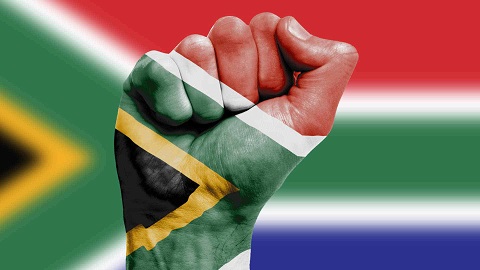
South African flagWelcome to the South African Info Wiki !
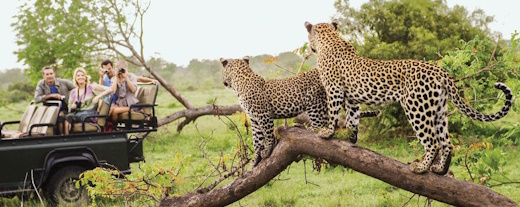
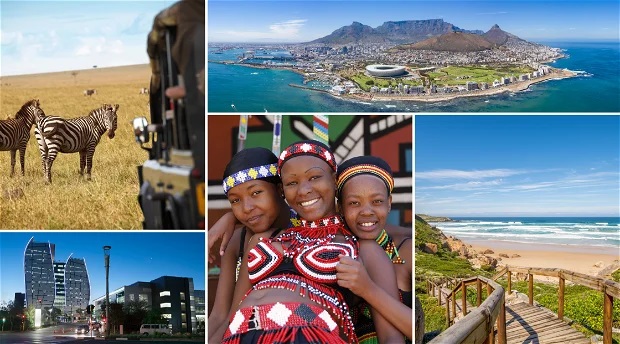
South Africa offers an unparalleled travel experience. With its diverse landscapes, rich culture, and warm hospitality, this African gem captivates visitors from around the world. From the breathtaking beauty of the Drakensberg Mountains to the thrilling wildlife encounters in Kruger National Park, there's something for everyone. Explore vibrant cities like Cape Town and Johannesburg, or unwind on pristine beaches along the Garden Route. Immerse yourself in the country's fascinating history and vibrant culture, while indulging in world-class cuisine and fine wines. South Africa truly has it all.

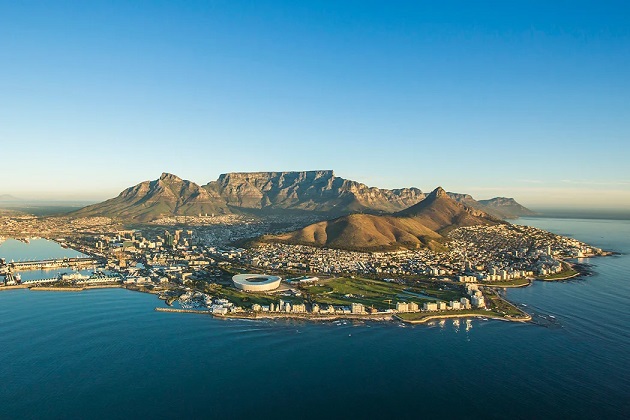
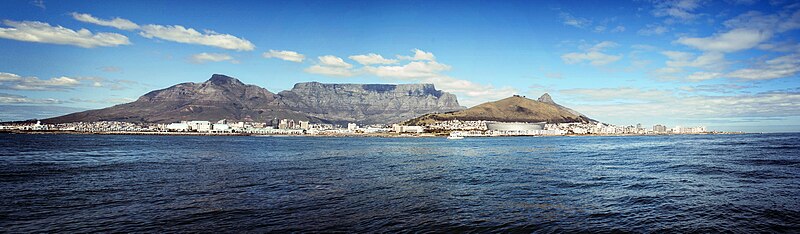
Table Mountain

South Africa beckons with an irresistible blend of everything you dream of in a holiday. Imagine vast savannahs teeming with incredible wildlife, where lions roar and elephants trumpet. Immerse yourself in the rich history and vibrant culture of bustling cities. Marvel at the natural wonders, from the iconic silhouette of Table Mountain to the breathtaking beauty of the Garden Route.

Year-round sunshine and the warm hospitality of the South African people complete the picture. While South Africa navigates a new political landscape, the warmth of its welcome remains constant.

South Africa

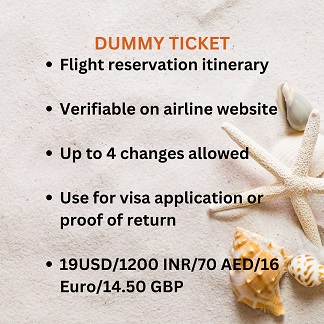
Have you ever been forced to buy a return plane ticket when you didn't need one? 

Well, DUMMY TICKET has all the solutions for your airline ticket and visa problems.

What is a Dummy ticket?

A dummy ticket looks typically like a regular airline ticket and has a valid PNR/ booking code or booking reference number. They can be verified on the airlines websites if checked using the "Manage my booking" tool or "My trips" section found on many airline websites. A dummy ticket is also known as a flight reservation or itinerary.

What is a Dummy ticket used for?

The main use of a dummy ticket is for visa applications. Many embassies, consulates or visa application centers like VFS or BLS ask for a flight reservation during the visa application process. Dummy tickets are also used for proof of return to show at the immigration while traveling. Other uses of a dummy ticket are as below: *

  • Visa applications
  • Proof of return or onward travel
  • Expedite passport renewal
  • Show company HR/ Manager for leave and other purposes 
  • Exit visa procedures in many GCC countries
  • Rent a car at airport locations

Click on the advert below for your DUMMY TICKET. From only $19 USD.

dummy ticket ad Dummy Ticket2

VIEW ALL SERVICES.

Proud South African


The History of Southern Africa

Southern Africa, a land of breathtaking beauty and profound historical significance, beckons you on a captivating journey. From the ancient migrations of the Khoisan people to the modern struggles for democracy, this region pulsates with a rich tapestry woven from diverse cultures, empires that rose and fell, and resilient spirits forever etched in the landscape.

  • The Cradle of Humankind: Unearth the secrets of our earliest ancestors who walked the very lands you'll virtually traverse.
  • The Rise and Fall of Kingdoms: Witness the rise and fall of powerful empires like Great Zimbabwe and Mapungubwe, each leaving behind a legacy in stone and stories.
  • European Encounters: Explore the arrival of European explorers and the complex colonial dynamics that reshaped the region.
  • Resistance and Liberation: Feel the pulse of resistance movements that fought for freedom and the eventual dismantling of apartheid.
  • A New Era Dawns: Witness the birth of modern nations in Southern Africa as they grapple with the challenges and opportunities of the 21st century.

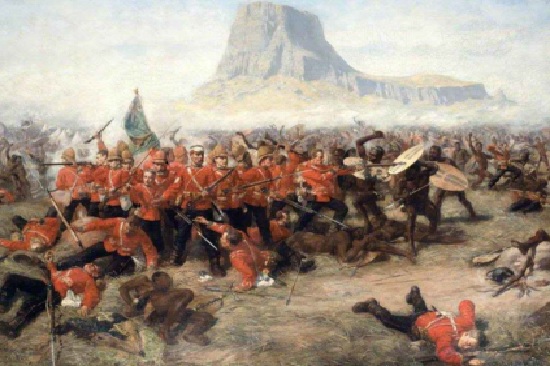
Battle of Isandlwana 1879

The History of Southern Africa is more than just a chronicle of dates and events. It's a captivating exploration of the human spirit, its resilience, and its enduring quest for a better future. Within these pages, you'll encounter the stories of ordinary people who shaped the destiny of this remarkable region.

You'll find Amy McKenna's wonderfully concise history of southern Africa here. 


South African Culture

{source}<a href="https://travelstart.zwjlk6.net/c/3683713/2097642/5446" target="_top" id="2097642"><img src="//a.impactradius-go.com/display-ad/5446-2097642" border="0" alt="" width="250" height="250"/></a><img height="0" width="0" src="https://travelstart.zwjlk6.net/i/3683713/2097642/5446" style="position:absolute;visibility:hidden;" border="0" />{/source}

Introduction: A Land of Rich Tapestry

South Africa, a nation at the southernmost tip of Africa, pulsates with a vibrant energy unlike any other. It's a land where dramatic landscapes unfold, each whispering tales of a rich and complex history. Imagine towering mountains scraping the clouds, vast grasslands teeming with wildlife, and sun-drenched coastlines kissed by turquoise waters. This breathtaking geographical diversity is mirrored in the country's cultural tapestry, a vibrant blend woven from a multitude of ethnicities, languages, and traditions.

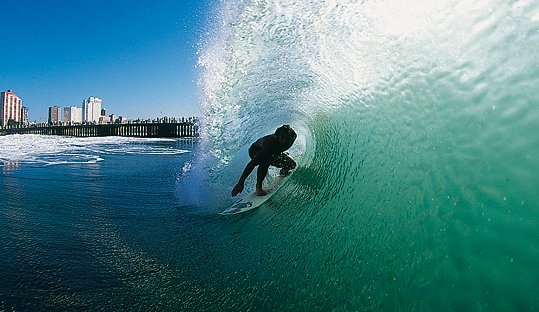
Durban surfer

A Landscape of Duality:

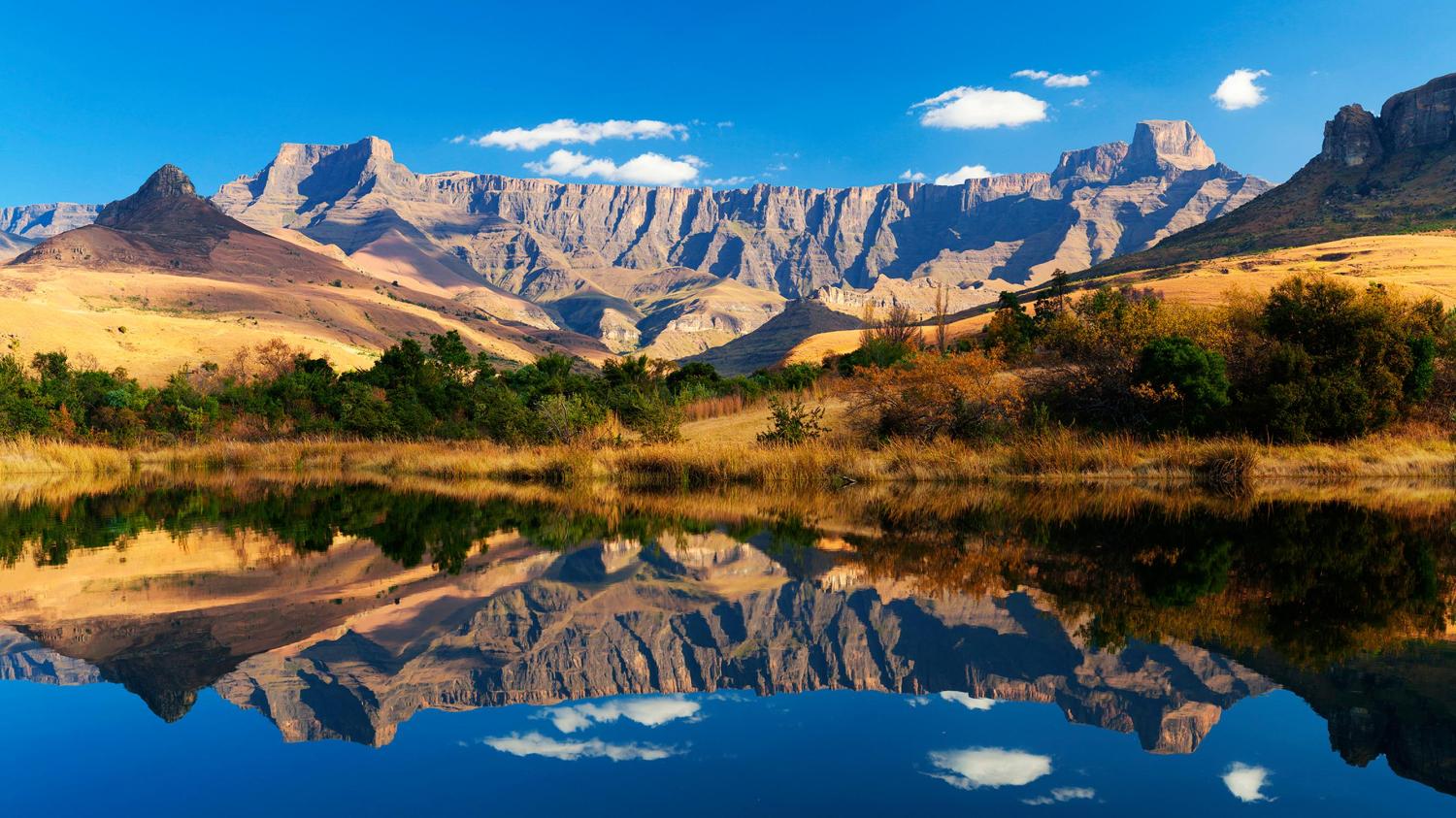
South Africa's geography is a study in contrasts. The majestic Drakensberg Mountains, a UNESCO World Heritage Site, stand sentinel over lush valleys and rolling hills. The arid expanse of the Kalahari Desert stands in stark opposition to the fertile wine-growing regions of the Western Cape. Along the coastline, golden beaches fringed with swaying palm trees entice visitors seeking relaxation, while dramatic cliffs battered by ocean waves inspire awe. This duality extends beyond the physical landscape, shaping the very essence of South African culture.

Drakensberg mountains

A Tapestry of Cultures:

South Africa boasts a rich cultural heritage, a vibrant mosaic formed by the contributions of various ethnicities. The indigenous Khoisan people, with their ancient traditions and deep connection to the land, laid the foundation. European settlers, primarily Dutch and British, left their mark on language, architecture, and social structures. The arrival of people from India and Southeast Asia further enriched the cultural landscape. This confluence of influences is evident in everything from music and dance to food and language.

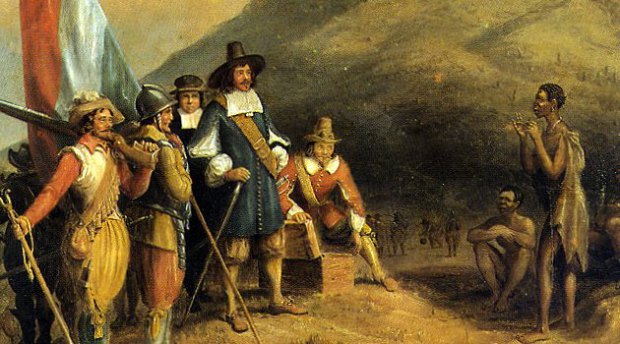
Jan van Riebeeck

A History of Resilience:

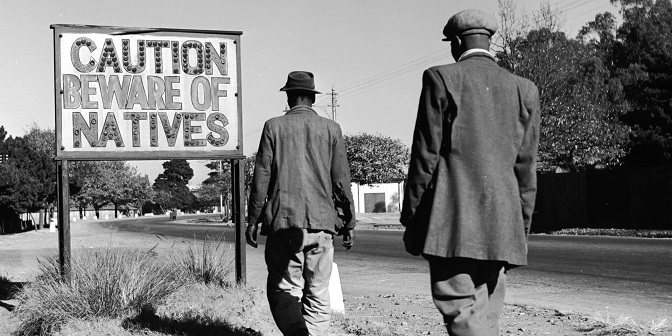
South Africa's history is a powerful narrative of struggle and resilience. From the colonial era to the dark period of Apartheid, the nation has endured hardship and injustice. Yet, the spirit of its people has never been extinguished. The fight for equality, spearheaded by iconic figures like Nelson Mandela, culminated in the establishment of a multi-racial democracy in 1994. This triumph, however, marked the beginning of a new chapter, one of healing, reconciliation, and building a nation that embraces its rich diversity.

apartheid sign

The Rainbow Nation:

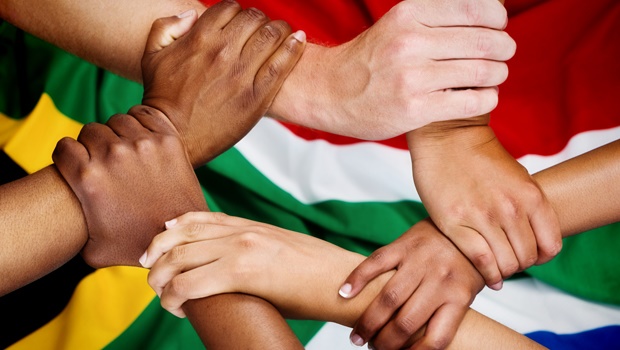
South Africa is often referred to as the "Rainbow Nation," a metaphor for its diverse population. This concept embodies the country's aspiration to overcome its divided past and create a unified society where all cultures and ethnicities coexist in harmony. The journey towards a true Rainbow Nation is ongoing, yet the very concept serves as a powerful symbol of hope and a testament to the enduring human spirit.

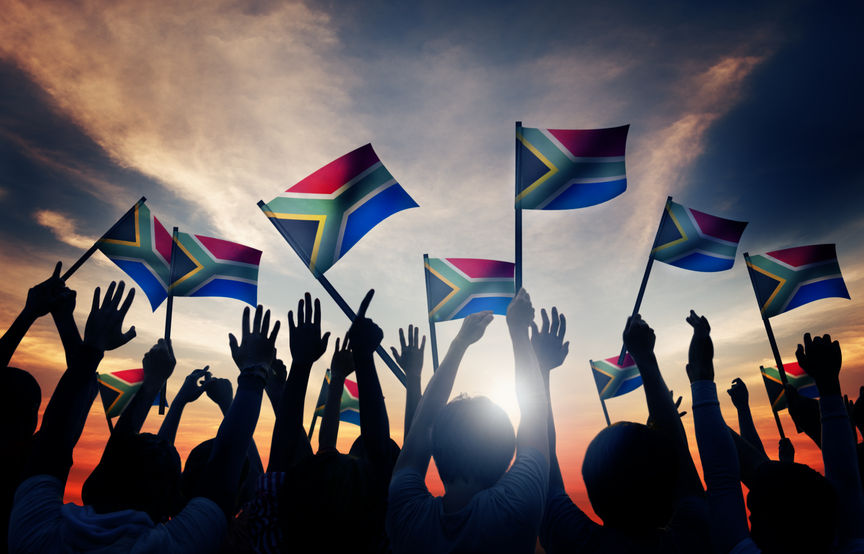
rainbow nation

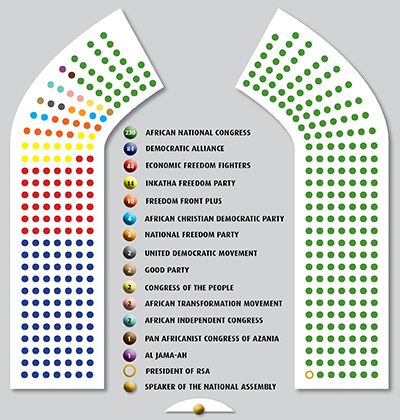
This introductory chapter has only begun to scratch the surface of South Africa's rich tapestry. As we delve deeper, we'll explore the historical forces that shaped the nation, celebrate the vibrant expressions of its diverse cultures, and examine the ongoing challenges and triumphs of a country forever striving towards a brighter future. The Government of National Unity (GNU) recently established in July 2024, is made up of 10 political parties representing 70% of the voters. It is hoped that the GNU will bring investment back into the country and improve the lives of all South African citizens and once again position SA as a preferred tourist destination.

GNU National Assembly seat allocation

A Historical Journey

South Africa's history is a captivating narrative, a chronicle of ancient civilizations, colonial encounters, and a relentless fight for freedom. To truly understand the vibrant tapestry of South African culture, we must embark on a journey through time, tracing the threads that bind the nation's past to its present.

The First Inhabitants: The Khoisan Legacy

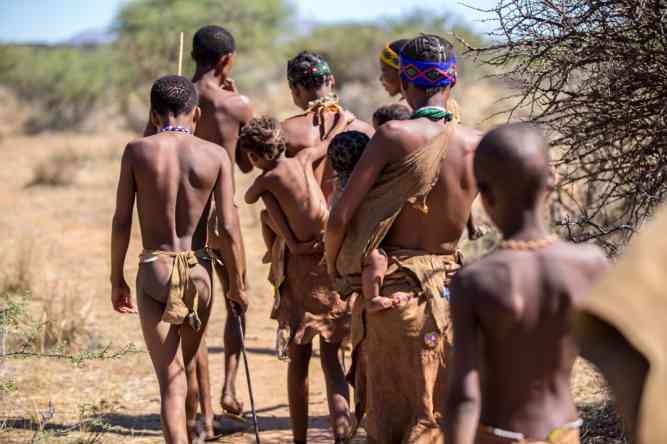
Long before the arrival of European explorers, South Africa was home to the Khoisan people. This diverse group, consisting of the San hunter-gatherers and the Khoe pastoralists, inhabited the land for millennia. Their intricate rock paintings, scattered throughout the Drakensberg Mountains and beyond, offer a glimpse into their spiritual beliefs and deep connection to the natural world. The Khoisan languages, characterized by unique clicks, laid the foundation for the rich linguistic landscape of South Africa.

Khoisan

European Arrival and Colonial Struggles:

The 17th century witnessed the arrival of European powers on South Africa's shores. The Dutch East India Company established a refreshment station at the Cape of Good Hope in 1652, marking the beginning of a period of colonial rule. The Dutch, known as Boers, brought their language and customs, shaping the landscape with their distinctive architecture and agricultural practices. However, their interactions with the indigenous Khoisan people were often fraught with conflict over land and resources.

Jan van Riebeeck

British Influence and the Great Trek:

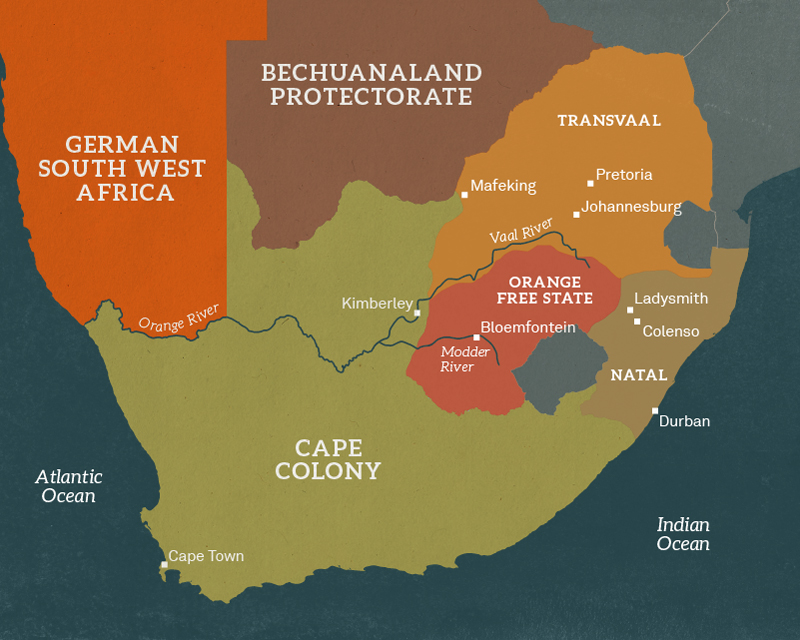
In the late 18th century, the British took control of the Cape Colony, further complicating the South African story. The simmering tensions between the British administration and the Boers culminated in the Great Trek (1835-1843). Seeking autonomy and self-governance, the Boers embarked on a perilous journey inland, establishing independent Boer Republics in the Transvaal and Orange Free State. These republics, with their distinct cultural identity and language (Afrikaans), laid the groundwork for the future Afrikaner nationalism.

Boer republics SA

Diamonds, Gold, and the Anglo-Boer Wars:

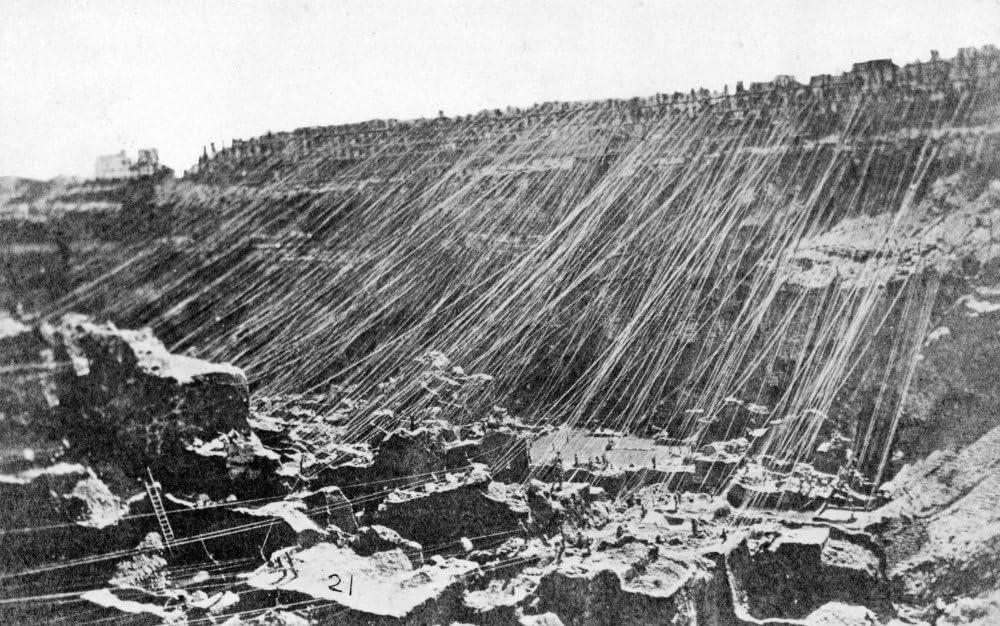
The discovery of diamonds in 1867 and gold in 1886 drastically altered South Africa's trajectory. These mineral riches fueled a surge in immigration and economic activity, further intensifying the conflict between the British and the Boers. The Anglo-Boer Wars (1880-1881 and 1899-1902) were a brutal display of colonial power, resulting in significant Boer losses and the establishment of the Union of South Africa in 1910, a dominion under British rule.

Kimberley diamond mining

The Rise of Apartheid and the Struggle for Equality:

The 20th century saw the rise of Apartheid (1948-1994), a system of racial segregation and white minority rule that cast a long shadow over South Africa. This system enforced a rigid racial hierarchy, denying basic rights and freedoms to the majority Black population. However, the spirit of resistance remained strong. The African National Congress (ANC), led by Nelson Mandela, became the epicenter of the anti-Apartheid movement, employing non-violent protests and international pressure to dismantle the oppressive system.

apartheid

The Long Walk to Freedom:

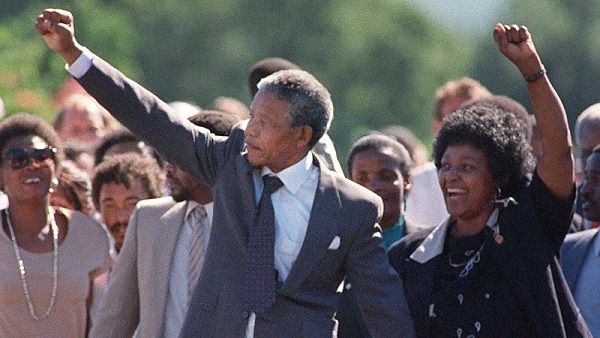
Mandela's imprisonment for 27 years became a potent symbol of the struggle for equality. International pressure and a growing civil disobedience movement eventually forced the South African government to negotiate. In 1990, Mandela was released, and negotiations for a democratic transition began. Four years later, in 1994, South Africa held its first free and fair elections, ushering in a new era of hope and reconciliation.

Mandela release

A Legacy of Resilience:

South Africa's historical journey is a testament to the enduring human spirit. From the resilience of the Khoisan people to the unwavering fight for equality, the nation's history is marked by both struggle and triumph. Although the scars of Apartheid remain, South Africa continues its journey towards building a truly inclusive democracy, one that honors its diverse past and embraces a bright future.

unity dream


The Rainbow Nation Explained: A Tapestry of Cultures

The term "Rainbow Nation" is a powerful metaphor often used to describe South Africa. It's a vibrant image that encapsulates the country's rich diversity, a nation where people from various ethnicities, races, and cultures coexist. But what does this concept truly symbolize, and how does it reflect on the fabric of South African life?

Rainbow nation

A Legacy of Division:

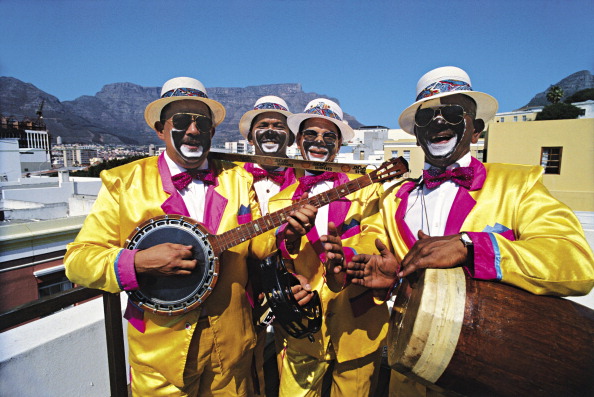
South Africa's history is marked by periods of division and conflict. Colonialism and Apartheid enforced racial segregation, creating a stark divide between the white minority and the Black majority population. This system not only denied basic rights to Black South Africans but also categorized other groups like Coloureds (people of mixed ancestry) and Asians into separate racial classifications.

Cape coloured minstrels

The Dream of Unity:

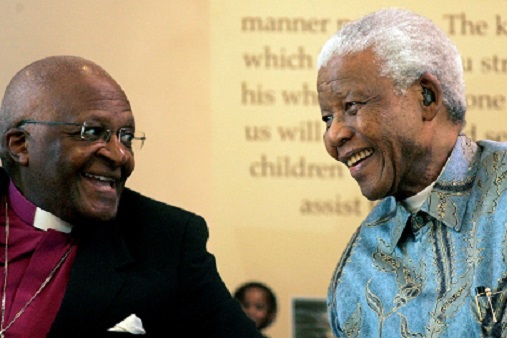
The concept of the Rainbow Nation emerged in the late 20th century, a beacon of hope during the struggle against Apartheid. Archbishop Desmond Tutu, a prominent figure in the anti-Apartheid movement, popularized this term. It symbolized a vision for a post-Apartheid South Africa – a nation where all ethnicities would be recognized as equal citizens, free to embrace their unique cultures while contributing to a unified society.

Bishop Tutu and Nelson Mandela

Celebrating Diversity:

South Africa boasts a rich tapestry of ethnicities. Here's a closer look at some of the major groups and their cultural influences:

  • Black Africans: This group forms the majority population, encompassing diverse ethnicities like Zulu, Xhosa, Sotho, Tswana, and Pedi. Their vibrant cultures are reflected in traditional music, dance, storytelling, and intricate beadwork. Ubuntu, a philosophy emphasizing interconnectedness and humanity, is a core value within Black African communities.

  • Coloureds: This population group emerged from the intermingling of various ethnicities during the colonial era. Their rich cultural heritage blends European, African, and Asian influences, evident in their music (like Ghoema), cuisine (think Cape Malay curries), and the Afrikaans language, a unique blend of Dutch and other languages.

  • White South Africans: Descended primarily from Dutch and British settlers, white South Africans have significantly influenced the country's legal and political systems, architecture, and language (English and Afrikaans). However, their role in South Africa's history is complex, and ongoing efforts aim to address past racial inequalities.

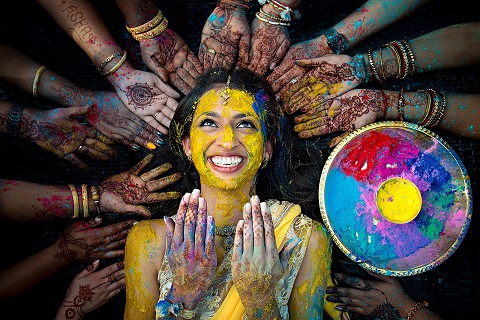
  • Indian/Asian South Africans: Brought to South Africa during the colonial era as indentured laborers, Indian and Asian communities have made significant contributions to the country's economic and cultural landscape. Their vibrant religious festivals like Diwali (Hinduism) and Eid (Islam) add to the nation's diverse tapestry.

Durban Indian wedding

Beyond the Rainbow:

The Rainbow Nation remains an ideal, a work in progress. While significant strides have been made towards racial equality, social and economic disparities persist. However, the concept continues to inspire South Africans to build a truly inclusive society, one that celebrates its diverse heritage while working towards a brighter future for all.

Construction South Africa

Moving Forward:

The Rainbow Nation is not merely a metaphor for diversity, but a call to action. It's about fostering understanding, tolerance, and respect amidst differences. By acknowledging the historical complexities and actively embracing the cultural richness of its people, South Africa can continue to move forward on its path of reconciliation and shared prosperity.

For more information on the people of South Africa, click here.


A Symphony of Tongues - South Africa's Linguistic Landscape

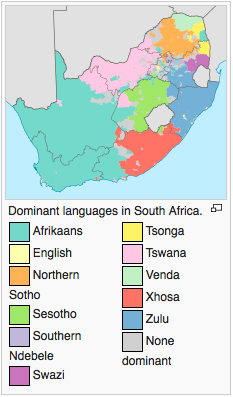
South Africa boasts a vibrant linguistic tapestry, a symphony of tongues reflecting the rich cultural diversity of the nation. Unlike many countries with a single dominant language, South Africa recognizes eleven official languages, each with its own history, significance, and cultural bearers. This chapter delves into this fascinating linguistic landscape, exploring the eleven official languages and their roles in shaping South African identity.

A Legacy of Colonial Encounters and Migrations:

South Africa's multilingualism is a direct result of its historical encounters. Colonial powers like the Dutch and British brought their languages, leaving lasting legacies. The arrival of people from India and Southeast Asia further enriched the linguistic landscape. Indigenous Khoisan languages, though not official, continue to influence some clicks found in isiXhosa and isiZulu.

11 languages SA

The Eleven Official Languages:

  • English: A legacy of British colonialism, English serves as the primary language of business, government, and media. However, it's not the dominant spoken language at home for most South Africans.

  • Afrikaans: Developed from Dutch by the Boers (Afrikaners), Afrikaans is spoken by a significant portion of the population, particularly the Coloured and white communities. It has a unique character set and incorporates influences from various languages.

  • Nguni Languages: This group of Bantu languages, including isiZulu, isiXhosa, isiNdebele, siSwati, and Sesotho, is spoken by the majority of Black South Africans. Each language carries cultural significance within its respective ethnic group.

  • Sesotho sa Leboa (Northern Sotho) and Sesotho: These closely related languages are spoken in the northern regions by Basotho communities. They share similarities with other Nguni languages but have distinct characteristics.

  • Setswana: Primarily spoken in the North West province, Setswana is a Bantu language with a rich oral tradition and vibrant literature.

  • Xitsonga: Spoken in the Limpopo province, Xitsonga is a Bantu language with clicks and tonal variations, adding a unique musicality to its sounds.

  • Tshivenda: This Bantu language, spoken in the Limpopo province, has a complex grammatical structure and a rich vocabulary reflecting the Venda culture.

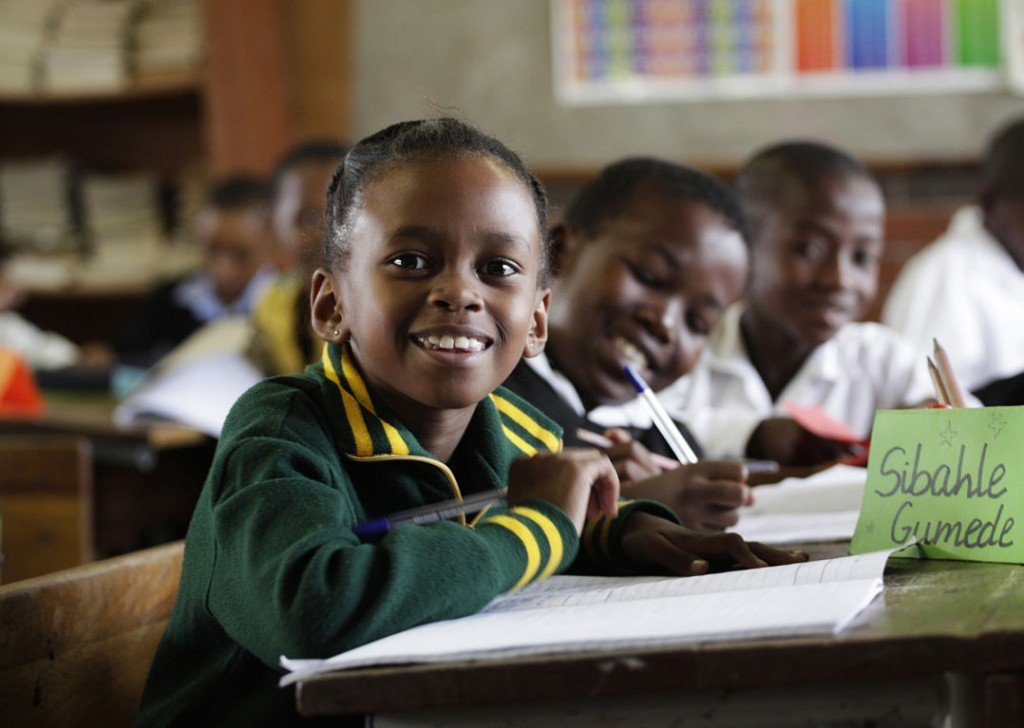
SA school

The Significance of Language in Culture:

Language is more than just a means of communication; it's the lifeblood of a culture. Here's a glimpse into how these languages connect to cultural identity:

  • Storytelling and Poetry: Many South African languages have a rich oral tradition where stories, myths, and poems are passed down through generations.

  • Music and Dance: Lyrics and rhythmic patterns in songs are deeply intertwined with the languages they are sung in. Traditional dances often have specific songs associated with them, creating a unique cultural connection.

  • Social Cohesion and Identity: Language serves as a marker of cultural identity, fostering a sense of belonging within specific communities.

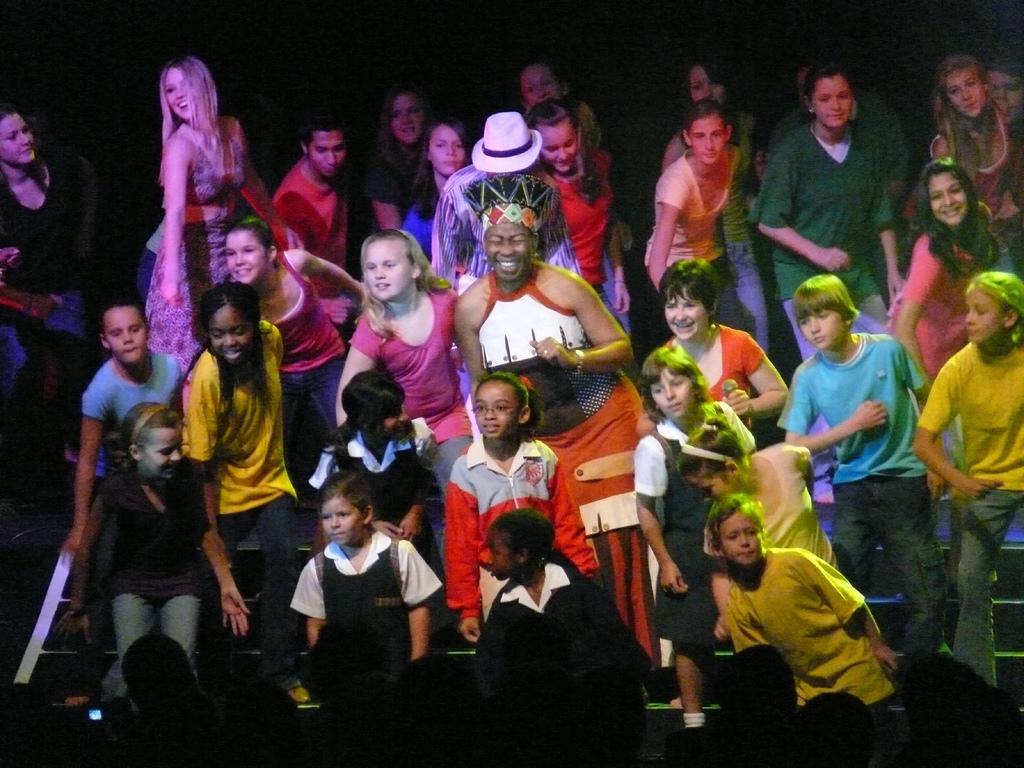
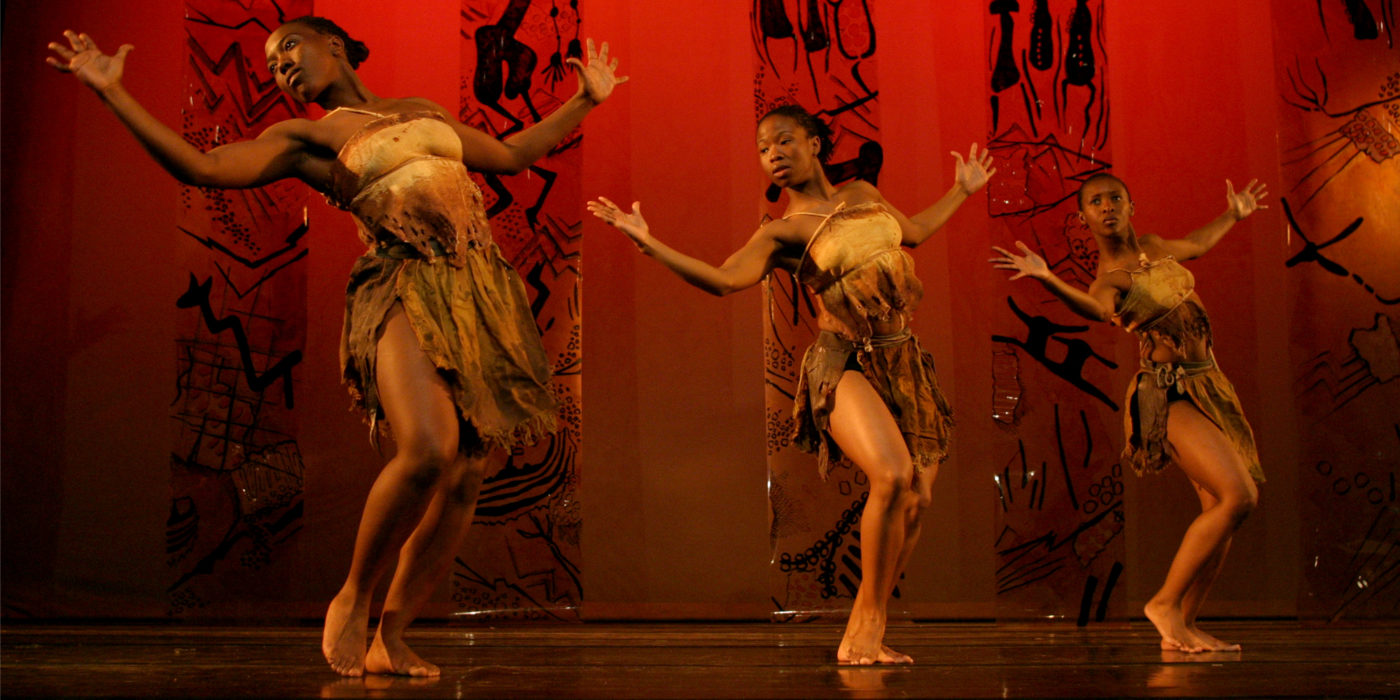
South Africa dancing

Challenges and the Future of Multilingualism:

Despite the richness of its languages, South Africa faces challenges in promoting multilingualism. These include:

  • Unequal Access to Education: Language policies and resources might favor certain languages over others, potentially hindering educational opportunities for some.

  • Urbanization and Globalization: The dominance of English in urban areas and media might lead to a decline in the use of some indigenous languages.

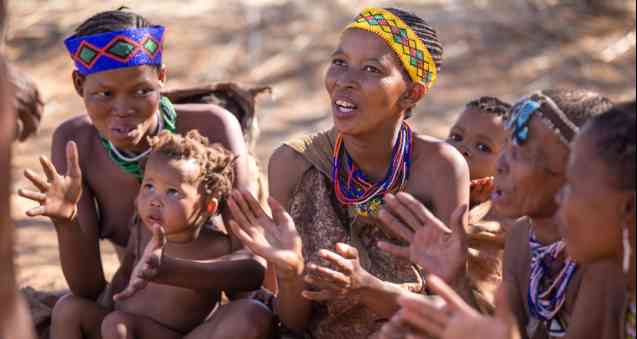
Khoisan people SA

Moving Forward:

South Africa is committed to promoting multilingualism. Here are some initiatives:

  • Language policies: Ensuring equitable access to education in all official languages.

  • Language development and preservation: Efforts to revitalize and document indigenous languages.

  • Multilingual media: Increasing the use of various languages in media outlets.

By embracing its multilingual heritage and fostering linguistic diversity, South Africa can create a more inclusive society where everyone feels valued and empowered to express themselves in their mother tongue. This symphony of tongues is not just a feature of South Africa, but a vital part of its soul, a testament to its rich history and a vibrant symbol of its ongoing journey towards a truly united future.

Teacher SA


A Tapestry of Faith - Religions and Beliefs in South Africa

South Africa's diverse cultural landscape extends to the realm of faith. The nation is a vibrant tapestry of religions, each with its own set of beliefs and practices, coexisting and shaping the spiritual landscape of the country. Here, we delve into the major religions practiced in South Africa, exploring their historical roots, core values, and how they interact with each other.

Christianity: The Dominant Faith

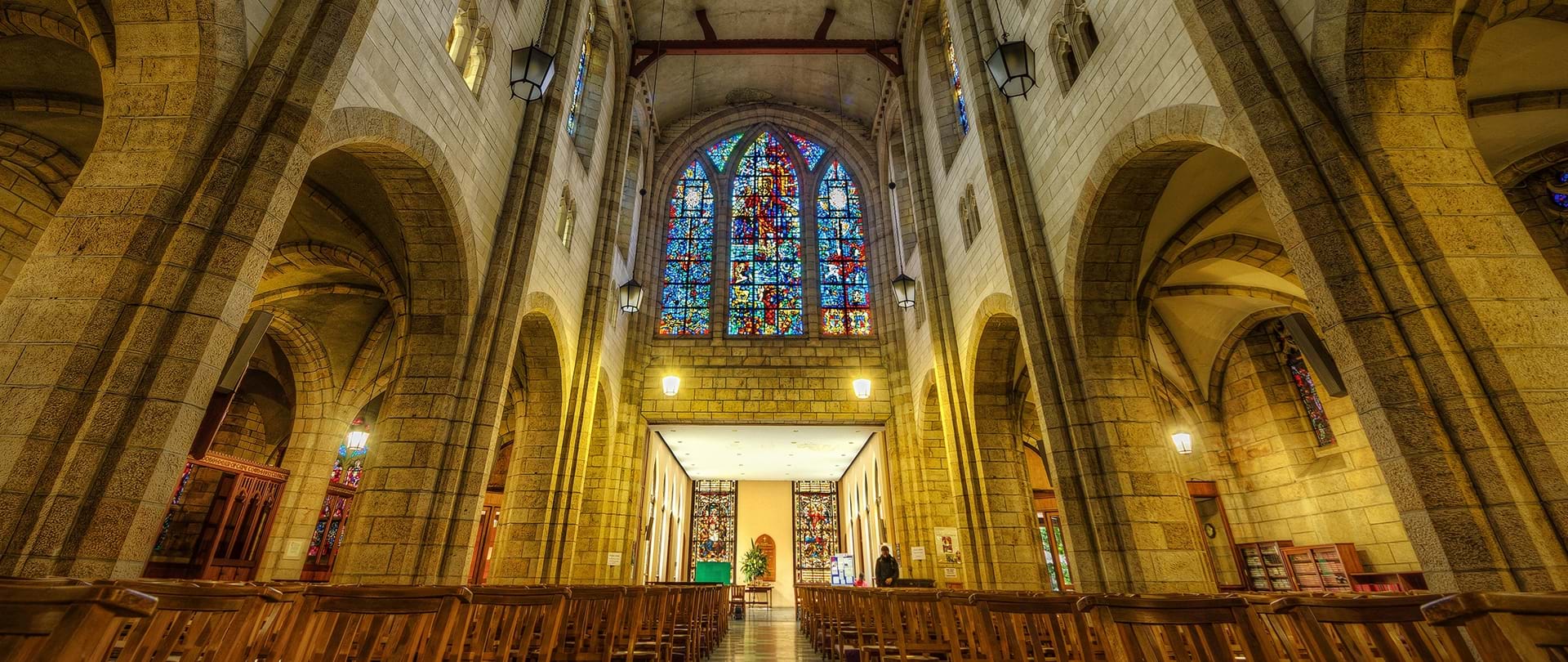
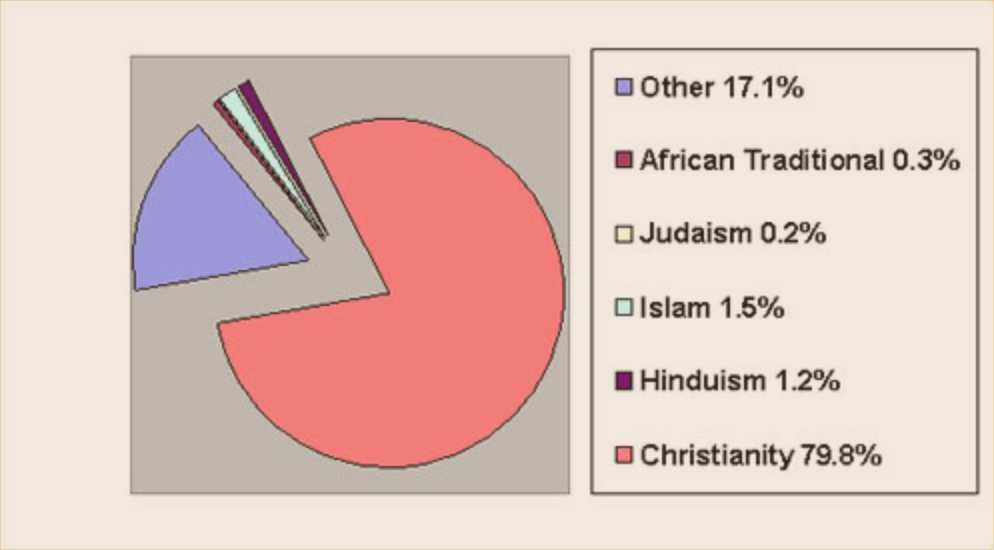
Christianity arrived with European settlers and remains the most widely practiced religion in South Africa. Denominations like Dutch Reformed, Anglican, Methodist, and various African-initiated churches cater to a diverse following. Christianity played a complex role in South Africa's history, with some denominations supporting Apartheid, while others actively challenged it. Today, churches continue to play a significant role in social welfare and community building.

St George Cathedral

Islam: A Growing Faith Community

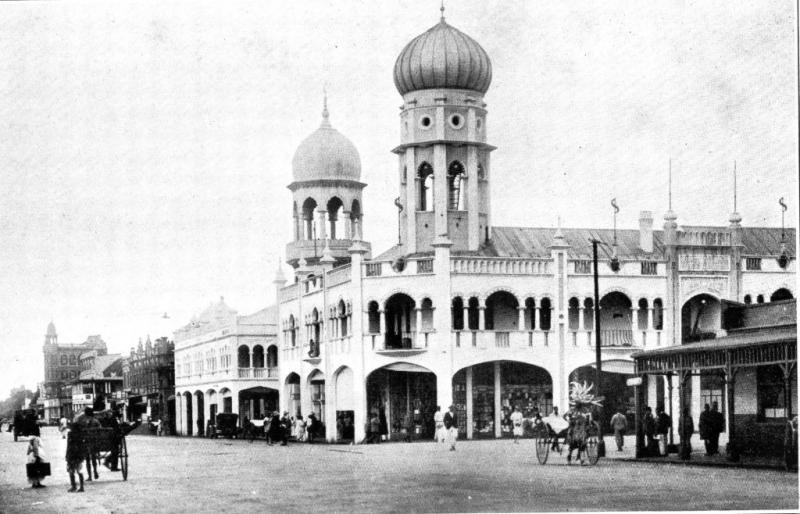
Islam has a rich history in South Africa, brought by early Muslim traders and solidified by the arrival of Indian indentured laborers in the 19th century. Muslims primarily practice Sunni Islam, with a growing presence of Sufi orders. Mosques serve not only as places of worship but also as community centers, fostering social cohesion and cultural identity.

Jumuah Masjid, Grey Street, Durban

Hinduism: A Rich Cultural Heritage

Hinduism arrived with Indian immigrants in the 19th century and is the third-largest religion in South Africa. South African Hindus celebrate major festivals like Diwali with vibrant displays of light and devotion. Temples serve as spiritual centers, offering a space for prayer and cultural activities.

Zion Christian church SA

African Traditional Religions (ATRs): A Deep Connection to the Land

ATRs, encompassing diverse belief systems of indigenous South African communities, emphasize a connection to the spirit world, ancestors, and the natural environment. These religions often involve rituals, divination practices, and offerings to appease ancestors and seek guidance. While some ATR practices have blended with Christianity, others retain their unique traditions.

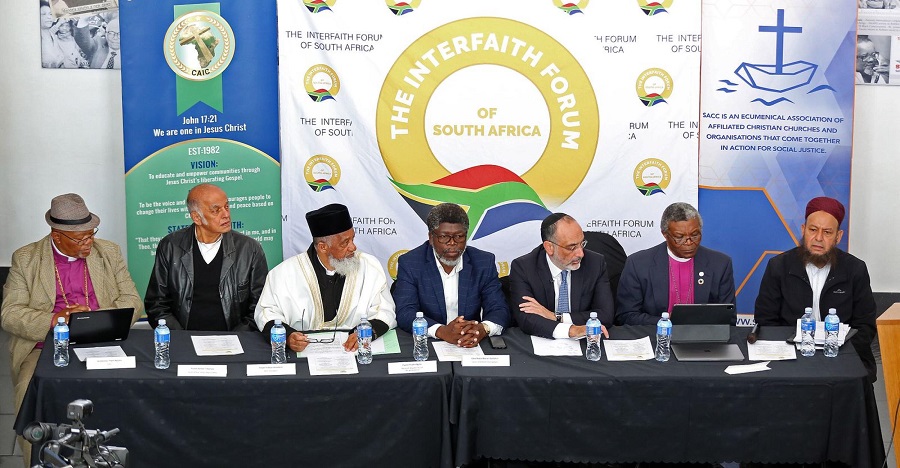
inter-faith meeting SA

Coexistence and Interfaith Dialogue:

Despite their differences, religious communities in South Africa generally coexist peacefully. This is partly due to the concept of Ubuntu, which emphasizes interconnectedness and respect for others. Interfaith dialogue initiatives also play a crucial role in promoting understanding and fostering cooperation on social issues.

different faiths in SA

Moving Forward:

South Africa's religious landscape is a reflection of its historical encounters and diverse cultural influences. By fostering interfaith dialogue, promoting religious literacy, and celebrating the richness of its traditions, South Africa can create a more inclusive and respectful space for all faiths to coexist and flourish. In this way, the nation can continue to weave a tapestry of faith that reflects its vibrant multicultural identity.

South Africa destinations


A Symphony of Expression: Art, Music, and Dance in South Africa

South Africa's vibrant arts scene is a kaleidoscope of creativity, reflecting the nation's rich cultural heritage. From the ancient echoes of rock art to the pulsating rhythms of contemporary music, the arts have been a powerful medium for self-expression, social commentary, and cultural preservation.

Visual Arts: A Canvas of History and Innovation

South African art is a testament to the country's diverse history and complex social fabric. The San people, the original inhabitants, left behind a legacy of exquisite rock paintings that depict their spiritual beliefs, hunting rituals, and daily life. These ancient artworks remain a source of inspiration for contemporary artists.

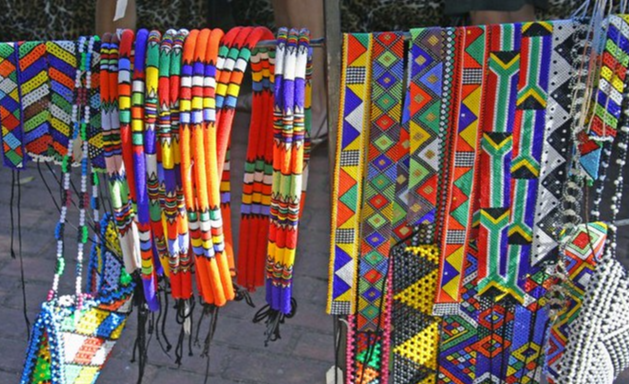
Beadwork, once a utilitarian craft, has evolved into a sophisticated art form, particularly among the Ndebele people. Their intricate patterns and vibrant colors adorn everything from clothing to household items, reflecting their deep-rooted cultural identity.

The Apartheid era witnessed a rise in protest art, with artists using their work as a platform for social and political commentary. The post-Apartheid period brought forth a diverse art scene, encompassing everything from abstract expressionism to contemporary installations. South African art has gained international recognition, with artists like Nelson Mandela's grandson, Ndaba Mandela, carrying forward the legacy of social activism through their work.

Zulu beadwork

A Musical Tapestry

South African music is a vibrant and dynamic force, reflecting the nation's diverse cultural heritage. Traditional music, such as Zulu and Xhosa chants, is deeply rooted in oral traditions and communal rituals. These rhythmic and melodic expressions have influenced the development of modern South African music.

Mbaqanga, a genre with its roots in the townships, emerged in the 1960s, blending traditional rhythms with Western musical elements. It became a symbol of Black empowerment and resistance during the Apartheid era. Kwaito, a subsequent genre, further pushed the boundaries of South African music, incorporating elements of hip-hop, house, and electronic music.

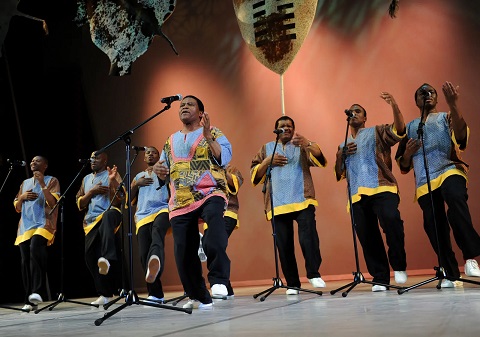
South African music has achieved global recognition, with artists like Miriam Makeba, Ladysmith Black Mambazo, and more recently, DJ Black Coffee, captivating audiences worldwide. The country's music festivals, such as the Cape Town International Jazz Festival and the Oppikoppi music festival, showcase the diversity and dynamism of the South African music scene.

Ladysmith Black Mambazo

Dance: A Rhythmic Expression of Culture

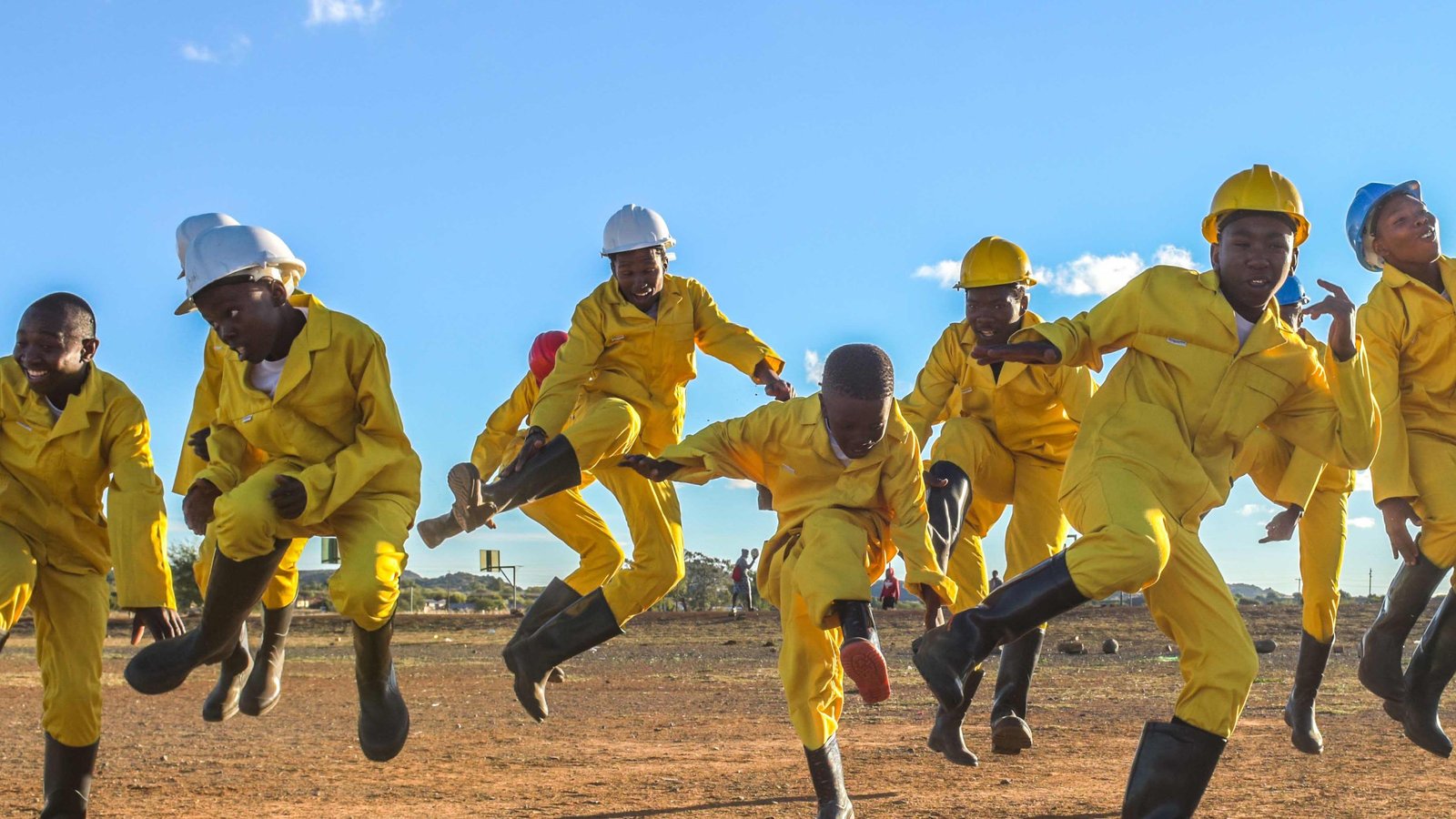
Dance is an integral part of South African life, serving as a form of communication, celebration, and social bonding. Traditional dances, like the Zulu War Dance or the Xhosa Gumboot Dance, are imbued with cultural significance, often telling stories or reflecting social rituals. Modern dance forms, influenced by international trends, have also found a place in the South African cultural landscape.

From the ancient rock paintings to the contemporary art scene, South Africa's artistic expression is a testament to the nation's resilience, creativity, and diversity. Music and dance serve as powerful vehicles for cultural transmission, bridging generations and uniting communities. The arts continue to evolve and adapt, reflecting the changing face of South Africa while preserving its rich heritage.

gumboot dancing SA


A Culinary Journey Through South Africa

South Africa's cuisine is a vibrant tapestry reflecting the diverse cultures that have shaped the nation. From the hearty flavors of the interior to the coastal delights, a culinary journey through South Africa is an exploration of history, tradition, and innovation.

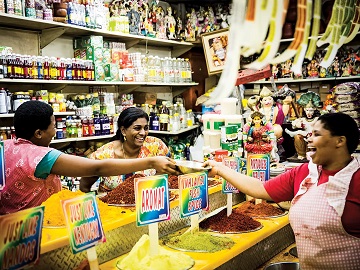
Durban spices

A Melting Pot of Flavors

South African cuisine is a testament to the country's rich cultural heritage. The fusion of indigenous African flavors with European, Indian, and Malay influences has created a unique and diverse culinary landscape. From the hearty stews and braais of the interior to the seafood-centric dishes of the coast, there is something to tantalize every palate.

Braai: A National Pastime

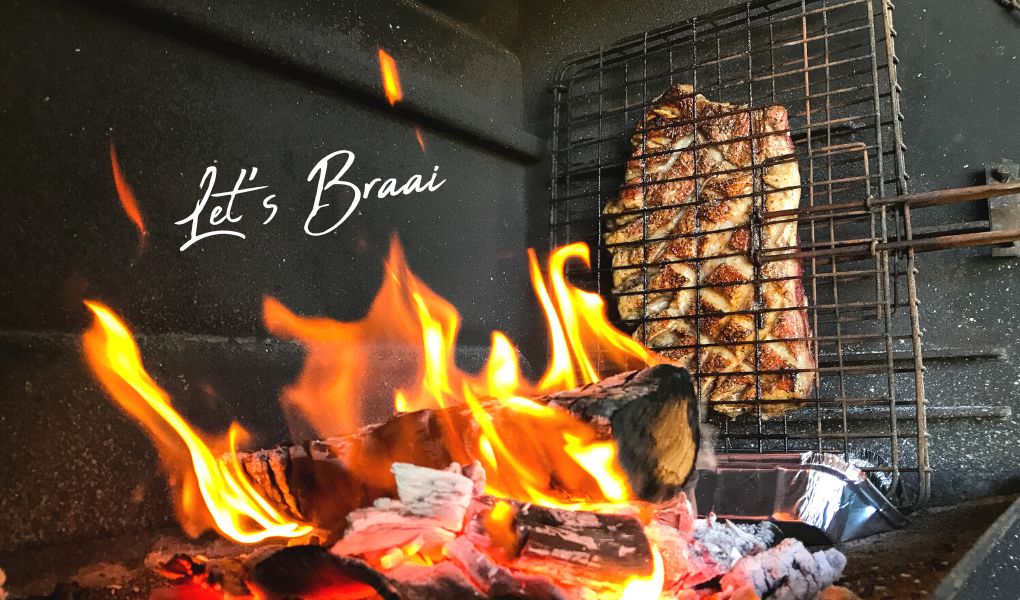
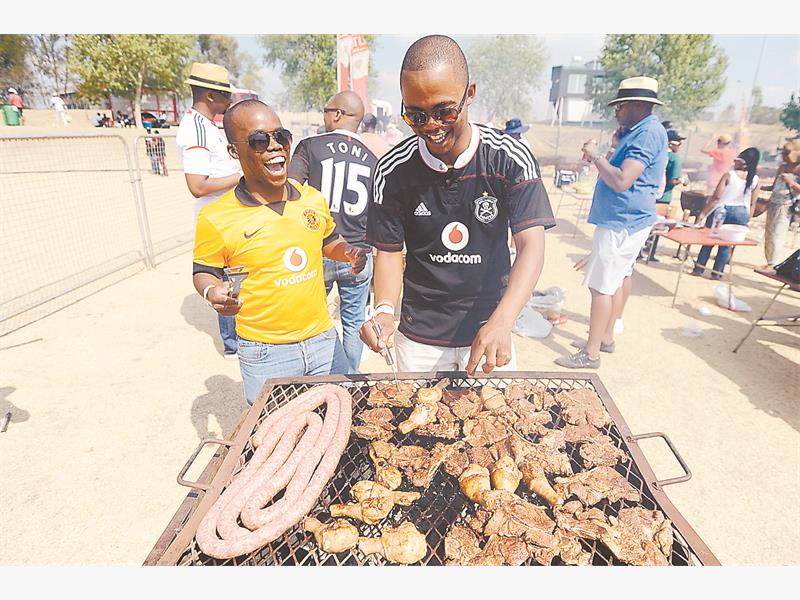
No exploration of South African cuisine is complete without mentioning the braai, a beloved national pastime akin to the barbecue. Whether it's a backyard gathering or a festive celebration, the braai brings people together. Meat, typically beef, lamb, or pork, is grilled over an open fire, often accompanied by traditional side dishes like pap (maize porridge), salad, and sosaties (kebabs).

braaivleis

Potjiekos: A Culinary Symphony

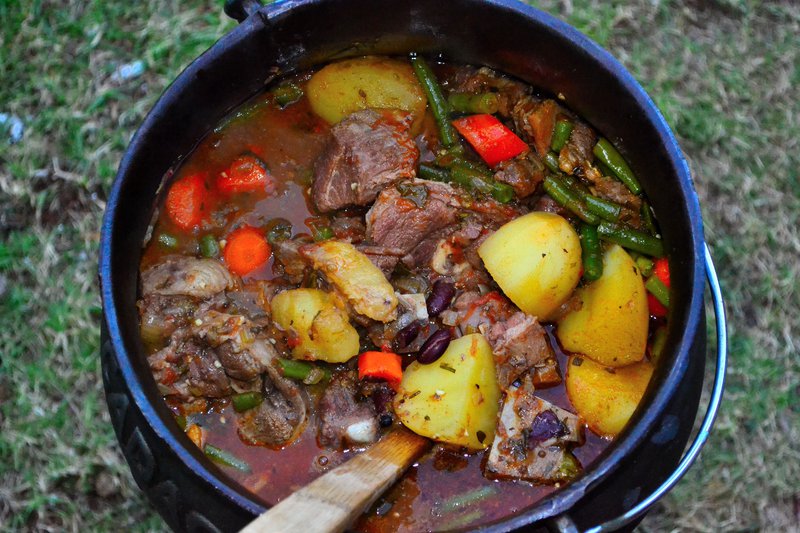
Potjiekos, a hearty one-pot stew, is another South African culinary icon. This slow-cooked dish features a delicious blend of meat (often lamb or beef), vegetables, and spices, all cooked in a cast-iron pot over an open fire. The flavors meld together over time, creating a rich and satisfying meal.

potjie

Bunny Chow: A Durban Delight

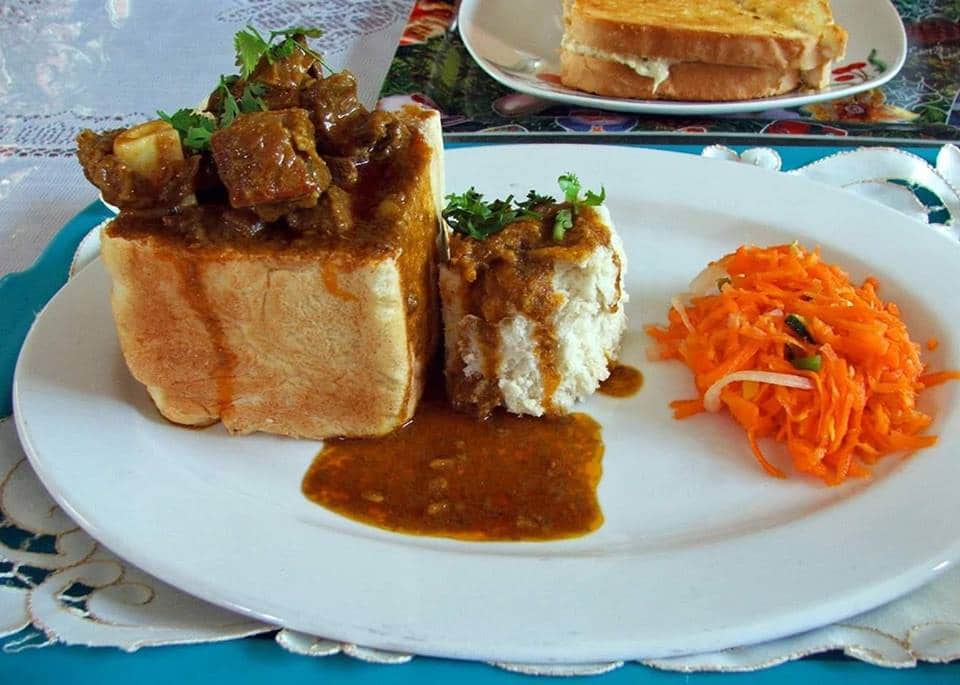
Originating from the Indian community in Durban, bunny chow is a unique and flavorful dish. A hollowed-out loaf of white bread is filled with a spicy curry, typically made with mutton or chicken. This hearty and satisfying meal is a popular street food and a must-try for any food enthusiast visiting South Africa.

Durban bunny chow

Beyond the Classics

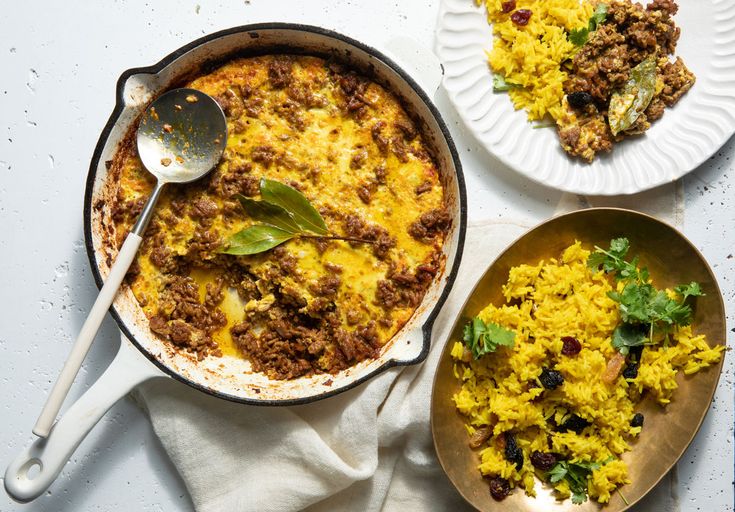
While braai, potjiekos, and bunny chow are iconic dishes, South African cuisine offers much more. Cape Malay cuisine, with its distinctive blend of Malay, Indian, and Dutch influences, delights with dishes like bobotie (a spiced minced meat dish topped with egg custard) and sambals (spicy chutneys). The coastal regions boast fresh seafood, from grilled prawns to lobster, while the interior offers game meats like kudu and springbok.

Cape bobotie

Food and Social Interaction

In South Africa, food is more than just sustenance; it's a way to connect with people and share experiences. The act of sharing a meal, whether it's a traditional braai or a modern dining experience, is deeply ingrained in South African culture. Food brings people together, fostering a sense of community and belonging.

As South Africa continues to evolve, so too does its culinary landscape. New generations of chefs are reimagining traditional dishes and incorporating international influences, creating a dynamic and exciting food scene. Whether you're a seasoned foodie or simply looking to explore new flavors, South Africa's diverse cuisine is sure to tantalize your taste buds.

chisa nyama

For a FREE South African recipe book - click here.


Sports and Leisure

Sport in South Africa is more than just a pastime; it is a unifying force that transcends cultural and racial divides. The nation's diverse landscape, with its mountains, beaches, and open plains, lends itself to a wide range of sporting activities.

Rugby and Soccer: A Nation Divided (and United)

Rugby and soccer are undoubtedly the two most popular sports in South Africa, often sparking passionate rivalries. Rugby, historically associated with the white community, has undergone a transformation, becoming a symbol of national unity. The Springboks' victory in the 1995 Rugby World Cup, a few years after the end of Apartheid, played a pivotal role in fostering national reconciliation. Since then, South Africa has won another 3 RWCs and are the current world rugby champions.

RWC 2023

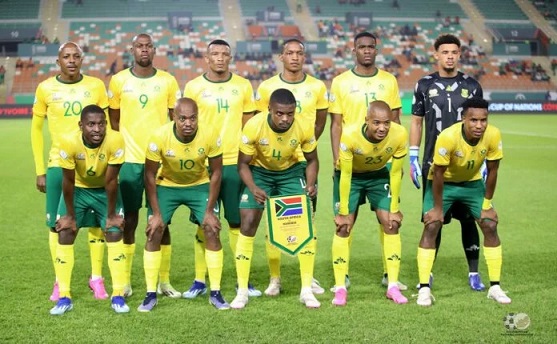
Soccer, on the other hand, enjoys widespread popularity across all racial groups. The South African national team, Bafana Bafana, has a dedicated following. The sport's ability to unite people from different backgrounds has made it a powerful tool for social cohesion.

Bafana bafana soccer SA


Social Dynamics and Customs

 
Traditions and Celebrations: A Tapestry of Joy

South Africa's cultural mosaic is vividly expressed through its diverse range of traditions and celebrations. From national holidays commemorating historical milestones to religious festivals that honor spiritual beliefs, the country offers a year-round calendar of events that reflect its rich heritage.

National Holidays: Uniting the Nation

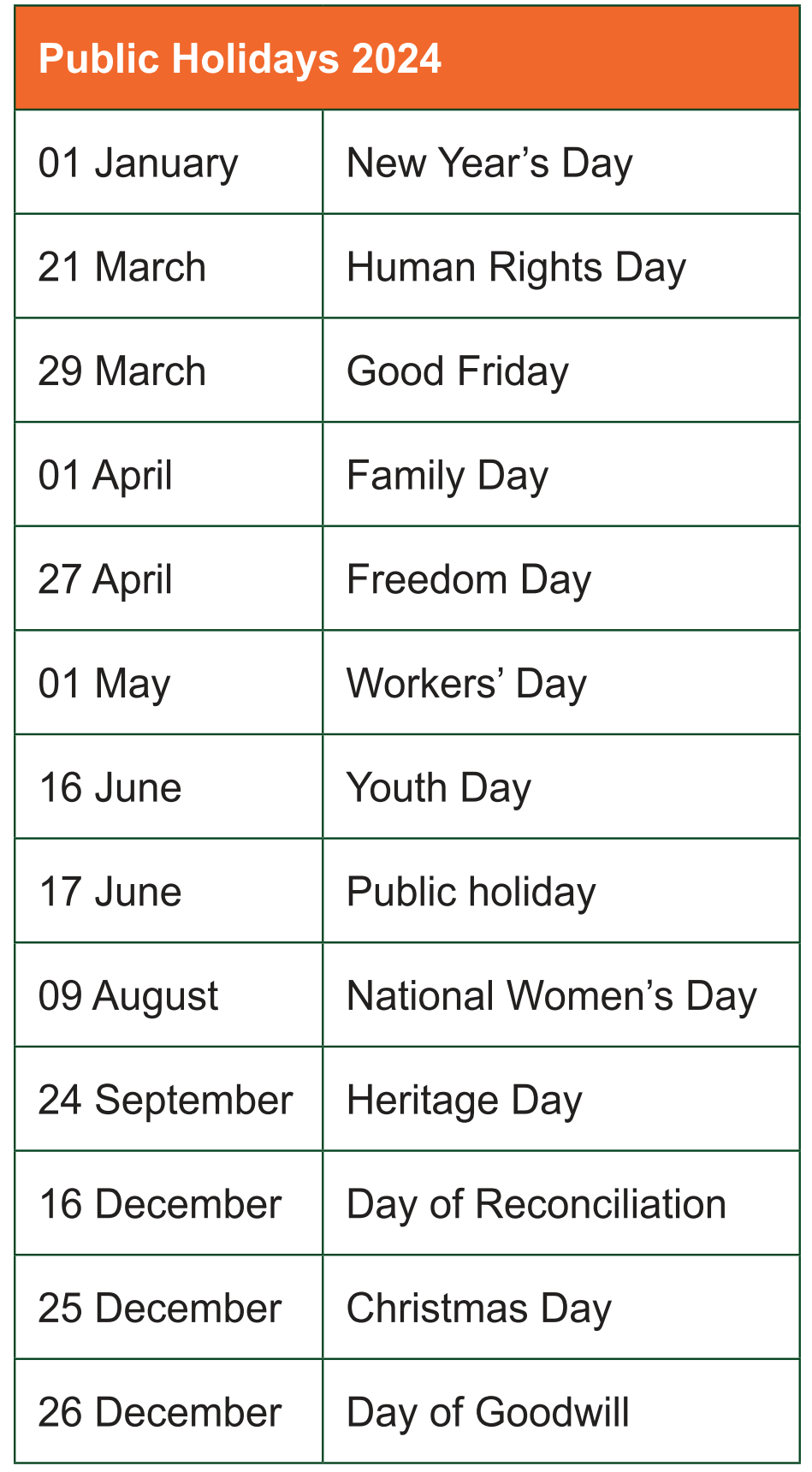
South Africa's national holidays are a testament to its history and journey towards democracy.

  • Human Rights Day (March 21st): Commemorates the Sharpeville Massacre of 1960, a pivotal moment in the struggle against Apartheid.
  • Freedom Day (April 27th): Celebrates the first democratic elections in 1994, marking the end of Apartheid.
  • Heritage Day (September 24th): Honors the nation’s diverse cultural heritage, encouraging citizens to celebrate their roots.
  • Reconciliation Day (December 16th): Commemorates the end of the Anglo-Boer War, promoting national unity and reconciliation.

These national holidays serve as opportunities for reflection, celebration, and a shared sense of national identity.

South African public holidays 2024

Religious Festivals: A Celebration of Faith

South Africa's religious diversity is reflected in its vibrant religious festivals.

  • Christmas: Celebrated by Christians, Christmas is a time for family gatherings, church services, and festive decorations.
  • Easter: Another significant Christian holiday, observed with religious ceremonies and family traditions.
  • Diwali: Observed by the Hindu community, Diwali, the Festival of Lights, is a joyous celebration marked by lights, fireworks, and festive meals.
  • Eid al-Fitr and Eid al-Adha: Celebrated by Muslims, these festivals mark the end of Ramadan and the sacrifice of Abraham, respectively.

These religious festivals, among others, contribute to the rich tapestry of South African celebrations, offering a glimpse into the diverse faiths practiced in the country.

Cultural Ceremonies and Traditions:

Beyond national and religious holidays, South Africa is home to a myriad of cultural ceremonies and traditions.

  • Traditional weddings: Vary across different ethnic groups, with elaborate rituals and customs that reflect the couple's cultural heritage.
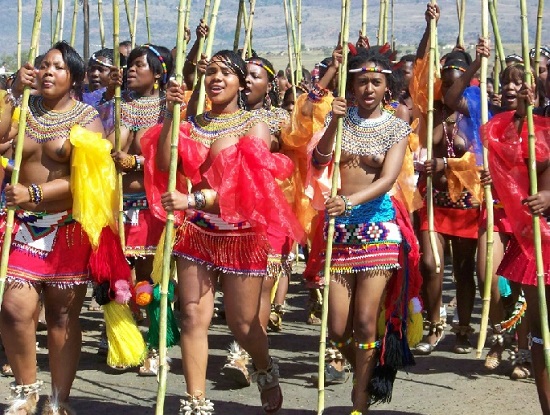
  • Umhlanga (Reed Dance): A significant Zulu cultural event, showcasing the importance of virginity and community cohesion.
  • Traditional funerals: A solemn occasion with elaborate rituals and practices that vary across different cultural groups.
  • Harvest festivals: Celebrated in many rural communities, these events mark the end of the agricultural season and express gratitude for the bounty of the land.

These ceremonies and traditions serve as a powerful reminder of South Africa's diverse cultural heritage and contribute to the nation's vibrant social fabric.

By understanding and appreciating these traditions, one can gain a deeper understanding of the soul of South Africa.

Reed dance


Social Etiquette and Customs: Navigating South African Society

South Africa's diverse cultural landscape is reflected in its complex social etiquette. Understanding and respecting these customs is crucial for building meaningful connections with locals.

Greetings and Introductions:

South Africans are generally warm and welcoming. A firm handshake accompanied by a smile is the standard greeting. However, it's essential to be mindful of cultural differences. In some cultures, women might prefer a nod or head bow instead of a handshake. Addressing people by their first name is common, even in professional settings, unless otherwise indicated.

Gift-giving Etiquette:

Gift-giving is a common practice in South Africa, often associated with birthdays, holidays, and special occasions. Bringing a small gift when invited to someone's home is considered polite. Popular choices include flowers, chocolates, or a bottle of good quality South African wine. It's essential to consider the recipient's preferences and avoid gifts that might be perceived as inappropriate or offensive.

Table Manners:

South African table manners are generally similar to Western standards. However, there are some cultural nuances to be aware of. Utensils are commonly used, but in some traditional settings, eating with hands might be acceptable. It's essential to be observant and adapt to the social context. Sharing food is a common practice, reflecting the culture of Ubuntu.

Social Interactions and Respect:

South Africans value respect, politeness, and open communication. It's important to be mindful of cultural differences and avoid making generalizations. Addressing people by their preferred titles (Mr., Mrs., Ms., Dr.) is a common practice. Being punctual is generally appreciated, although some flexibility is expected in social settings.

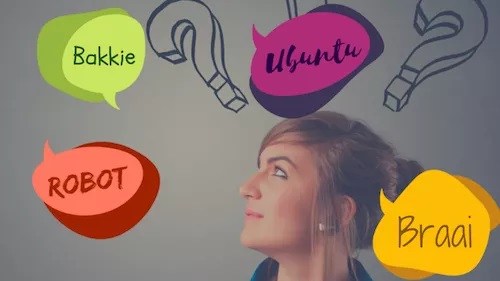
South African slang

South African Slang:

SOUTH AFRICAN SLANG EVERYONE SHOULD KNOW
    1. Ag, man! [ach—mun]
      It might be translated as “Oh, man!”, but is used to express pity, resignation or irritation.
    2. Aikona! [eye-koh-na]
      A Zulu term used to express shock or disbelief.
    3. Babbelas [bub-ba-las]
      Derived from the Zulu word ‘ibhabhalazi’, it is used to describe a bad hangover.
    4. Biltong [bill—tong]
      Our equivalent to beef jerky... but it is so much better!
    5. Bobotie [buh-boor-tea]
      A Malay-type baked dish that is made with spicy-sweet minced meat and raisins with an egg custard topping.
    6. Bliksem [bluhk–sim]
      A derogative term, meaning to hit someone, but often used as an expression of surprise too.
    7. Boet [no other way to say it but for "boet"]
      This term is usually used in reference to a male friend by another—technically meaning "brother".
    8. Boerewors [boor-uh-vors]
      Literally meaning ‘farmer’s sausage’, this is a savory sausage that is often braaied (or barbecued) and then eaten as a variation of a hot dog.
    9. Bra / Bru [brah and brew]
      Used to call a friend, pal or buddy.
    10. Braai [brr-rye]
      If you're not South African, you probably call it a barbecue. But a braai is much more than a barbecue. It's a whole cultural experience, usually happening during a sports game, or just as an excuse to hang out.
    11. Eina! [ay-na]
      An expression for when someone experiences pain.
    12. Eish! [ay-sh] 
      A Khoi-San expression for when someone experiences surprise.
    13. Fundi [foon-di]
      Used to describe someone who is an expert, or a teacher.
    14. Gatvol [ghut-foll]
      Literally meaning ‘filled to the brim’, this is used to describe someone who is very angry or tired. "He's gatvol!" could mean "He's had enough!".
    15. Hayibo! [hi-boh]
      This Zulu word is usually expressed for something unbelievable.
    16. Ja, Nee [ya—nee—ah]
      Technically it means "Yes, no". The phrase is used to express agreement or confirmation with someone or something.
    17. Jislaaik [yis-like]
      This is said when trying to express shock.
    18. Jol [jorl]
      To have a good time. To party. To have fun. To dance. To enjoy each other's company.
    19. Laat-lammetjie [lot–lumm–ah–kie]
      The name given to a child born long after their siblings. See Liefie.
    20. Laaitie [light-e]
      Describes someone young. 
    21. Laduma! [laa-doo-maa]
      Screamed out when a soccer team scores a goal. All. The. Time. 
    22. Lekker [lack-err]
      An Afrikaans word that really could mean anything, but always has a good connotation. Generally, it means "nice" or "good". 
    23. Padkos [putt–koss]
      Travel food. 
    24. Sarmie [saam-ie]
      A shortening of the word "sandwich".
    25. Shongololo [sh-ong-o-loh-loh]
      This is what we call large black-brown millipedes. 
    26. Ubuntu [oo-boon-too]
      It literally means “I am because we are”. It is an ancient African word that describes a common philosophical feeling of humanity and family. There is no single word to translate it as. 
    27. Yebo [yeah-boh]
      It means "yes", but it is used as an extremely expressive form of the affirmative. It's often used as a double positive, saying "Yebo yes!".


South Africans


Contemporary South Africa and the Future

Challenges and Triumphs: A Nation in Transition

South Africa, a country defined by its resilience and diversity, continues to navigate a complex path towards a truly equitable and prosperous future. The legacy of Apartheid casts a long shadow, and its effects are still felt in various facets of society.

The Lingering Shadows of Apartheid:

Despite significant progress since the end of Apartheid in 1994, the country grapples with the enduring consequences of its past. Socio-economic disparities remain stark, with poverty disproportionately affecting Black South Africans. Access to quality education, healthcare, and housing remains uneven, reflecting the legacy of a system built on inequality.

Furthermore, high levels of crime, particularly violent crime, pose a significant challenge to social stability and economic development. The country's high unemployment rate, especially among youth, exacerbates social tensions and fuels disillusionment.

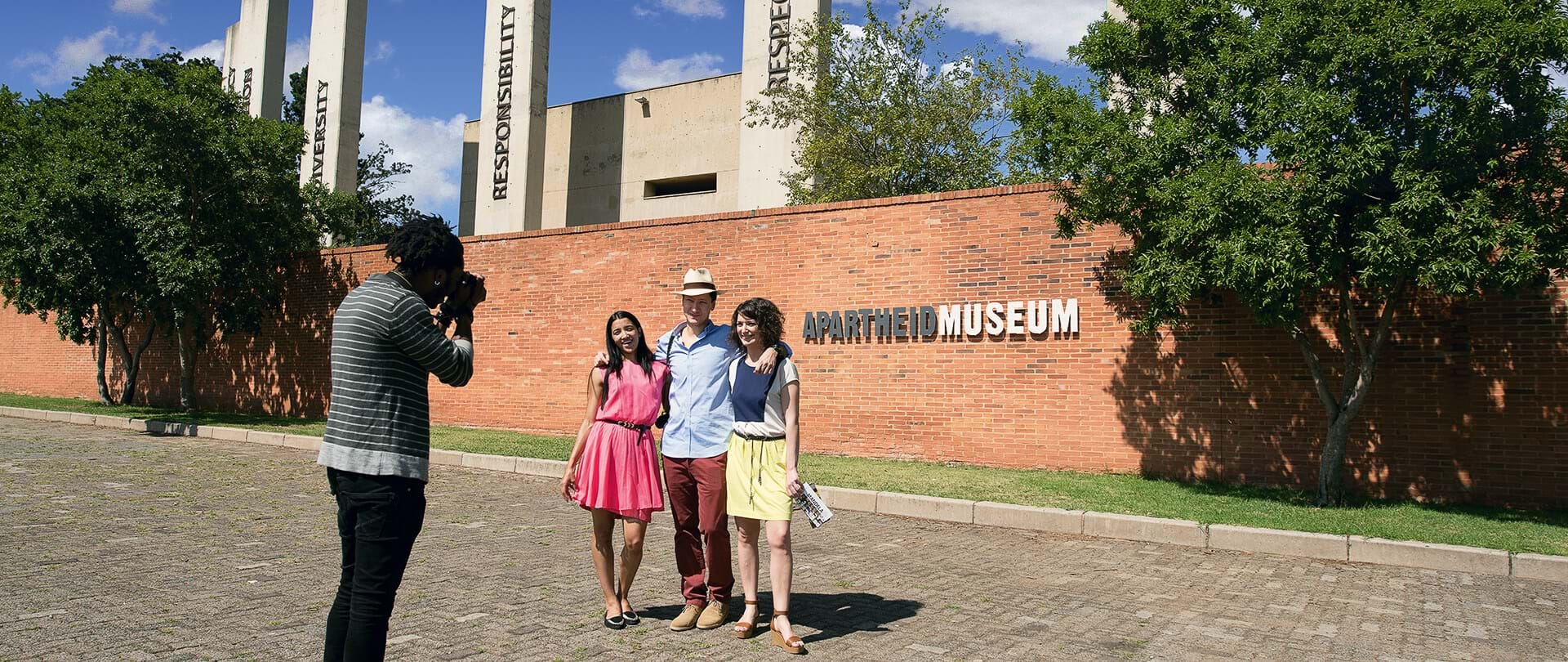
Apartheid museum Johannesburg

Building a Rainbow Nation:

Despite these challenges, South Africa has made remarkable strides in building a democratic and inclusive society. The Constitution, with its emphasis on human rights and equality, is a testament to the nation's commitment to justice and fairness. The country has witnessed significant progress in areas such as education, healthcare, and infrastructure development.

The rise of a Black middle class and the growing diversity of the business landscape are positive indicators of social and economic transformation. South Africa's vibrant cultural scene, with its fusion of traditional and contemporary expressions, reflects the nation's resilience and capacity for renewal.

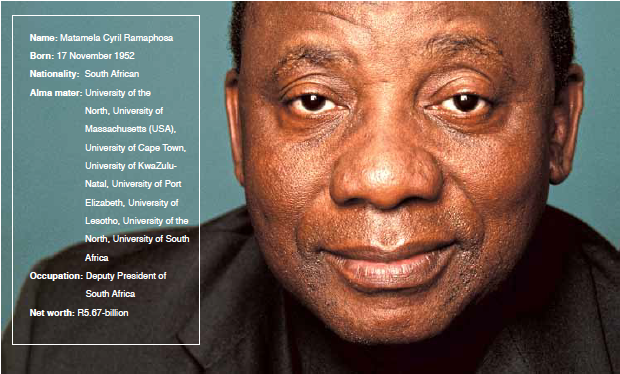
Cyril Ramaphosa

Reconciliation and Unity:

The Truth and Reconciliation Commission (TRC) played a crucial role in addressing the legacy of Apartheid by providing a platform for victims to share their experiences and for perpetrators to seek forgiveness. While the TRC process was not without its limitations, it laid the foundation for a national conversation about healing and reconciliation.

Looking Ahead:

South Africa faces a complex set of challenges, but it also possesses immense potential. Overcoming inequality, fostering economic growth, and addressing social issues require sustained efforts and a commitment to social justice. The nation's vibrant democracy, coupled with its resilient spirit, offer hope for a brighter future.

As South Africa continues its journey towards becoming a truly inclusive and prosperous nation, it is essential to build upon the achievements of the past while addressing the challenges of the present. By harnessing the potential of its diverse population and leveraging its rich cultural heritage, South Africa can create a society where all citizens have the opportunity to thrive. The Government of National Unity (GNU) established in June 2024 is a step in the right direction to make South Africa a better home for all its citizens.

GNU South Africa


The Future of South African Culture: A Balancing Act

South African culture is a dynamic entity, constantly evolving in response to both internal and external forces. Globalization, technological advancements, and social change are all shaping the nation's cultural landscape.

The Impact of Globalization:

Globalization has brought about a complex interplay of influences on South African culture. While it has facilitated the exchange of ideas, technologies, and products, it has also posed challenges to the preservation of traditional values. The influx of Western culture, through media and technology, has led to a homogenization of certain aspects of life. However, it has also created opportunities for cultural exchange and innovation.

Preserving Heritage:

Amidst the wave of globalization, there is a growing recognition of the importance of preserving cultural heritage. Efforts to document and revitalize indigenous languages, music, and crafts have gained momentum. Traditional knowledge systems are being incorporated into modern practices, such as sustainable agriculture and healthcare.

Youth Culture and the Digital Age:

South Africa's youth are at the forefront of cultural change. With increasing access to technology, they are shaping new trends in music, fashion, and social media. This generation is bridging the gap between traditional and contemporary culture, creating a unique blend of influences.

Kids SA

The Challenges of Urbanization:

The rapid pace of urbanization has led to a shift in cultural practices. Traditional communal living is giving way to individualistic lifestyles. However, urban spaces are also becoming hubs for cultural expression, with art, music, and fashion flourishing in diverse forms.

The Future of South African Culture:

The future of South African culture lies in finding a balance between preserving traditions and embracing modernity. It is about fostering a sense of identity while remaining open to global influences. The nation's ability to adapt and innovate will be crucial in shaping its cultural landscape for generations to come.

South Africa's cultural journey is a continuous process of negotiation between the old and the new. By embracing diversity, celebrating heritage, and fostering creativity, the nation can build a vibrant and resilient cultural identity that resonates both locally and globally.

Freedom Day SA


Travel and Cultural Experiences: A South African Adventure

South Africa offers an unparalleled opportunity to immerse oneself in a rich tapestry of cultures, landscapes, and experiences. This chapter serves as a practical guide for travelers seeking to explore the heart and soul of this extraordinary country.

Planning Your Trip

Before embarking on your South African adventure, careful planning is essential. Consider the best time to visit based on your interests. The summer months (November to March) offer warm weather and vibrant festivals, while the winter months (May to August) provide cooler temperatures and opportunities to witness the migration of wildlife.

Cape Town South Africa

Must-Visit Destinations:

  • Cape Town: A vibrant city with stunning natural beauty, offering a blend of history, culture, and outdoor activities. Explore Table Mountain, Robben Island, and the V&A Waterfront.
  • Kruger National Park: Experience the thrill of a safari and encounter iconic African wildlife in their natural habitat.
  • Garden Route: Embark on a scenic drive along the breathtaking coastline, visiting charming towns, lush forests, and pristine beaches.
  • Johannesburg: Immerse yourself in the pulse of South Africa's economic hub, exploring its diverse neighborhoods, museums, and vibrant arts scene.
  • KwaZulu-Natal: Discover the Zulu culture, visit the historical Battlefields of Isandlwana and Rorke's Drift, and relax on the beautiful beaches of Durban.

Kruger Park South Africa

Cultural Experiences:

  • Visit townships: Gain a deeper understanding of South African history and culture by exploring townships like Soweto, where you can visit Nelson Mandela's house and interact with local communities.
  • Attend cultural events: Immerse yourself in the rhythm of South African music by attending festivals like the Cape Town International Jazz Festival or the Oppikoppi music festival.
  • Experience traditional cuisine: Indulge in the flavors of South Africa by trying local dishes like braai, potjiekos, and bunny chow.
  • Volunteer: Contribute to local communities by volunteering at orphanages, schools, or environmental projects.
  • Wildlife encounters: Embark on a safari to witness the majestic African wildlife in their natural habitat.

Soweto South Africa

Practical Tips:

  • Respectful travel: Be mindful of local customs and traditions. Dress modestly when visiting religious sites.
  • Safety: Exercise caution, especially in urban areas. Be aware of your surroundings and avoid walking alone at night.
  • Currency: The South African Rand is the official currency (ZAR)
  • Visas: Check visa requirements for your nationality before traveling.
  • Health: Consult your doctor for recommended vaccinations and travel insurance.

By following these guidelines and embracing the spirit of adventure, you can create unforgettable memories of your South African journey. Remember, the true essence of the country lies in its people, so be open to new experiences and interactions.

South African currency

South Africa tourism


Adventure and Activities

Adventure Activities in South Africa

Adventure Activities in South Africa

South Africa

South Africa is an adventure enthusiast's paradise. From the thrill of a safari in Kruger National Park, encountering iconic wildlife like lions, elephants, and leopards, to the adrenaline rush of bungee jumping from the Bloukrans Bridge, there's an adventure for everyone. The diverse landscapes offer endless opportunities for hiking, climbing, and exploring. For those seeking relaxation, pristine beaches and world-class golf courses provide the perfect escape. Whether you're a thrill-seeker or a nature lover, South Africa promises an unforgettable adventure.

Land-Based Adventures:

Cape Cobra Hire:

Head out along Camps Bay beachfront, or take in the wine route and amazing farmlands of Paarl and Stellenbosch. Make a trip up the coast to Hermanus, to see the whales and the beautiful Cape beaches with Cape Cobra Hire. Ask for Ross.

Cape Cobra Hire Cape Town

Scenic drive around Cape Town in a Cobra.

To make a booking - click here.

Hiking and Trekking:

Explore the Drakensberg Mountains, Table Mountain, or the Garden Route. The Drakensberg offers the most beautiful scenery imaginable, a challenge for adventure seekers, quiet for nature lovers, accommodation of a world-class standard, hikes for family and mountaineer and picture perfect views.

Drakensberg hiking

Drakensberg hiking.

For more info on hiking in the Drakensberg - click here.

Mountain Biking:

Discover scenic trails and challenging routes. South Africa is a mountain biker's paradise. With its diverse landscapes, from the rugged Drakensberg Mountains to the coastal trails of the Garden Route, there's a trail for every skill level. Experience the thrill of downhill racing, the tranquility of cross-country riding, or the challenge of technical single-track. The country's stunning scenery, coupled with its world-class trails, makes mountain biking in South Africa an unforgettable adventure.

south Africa mountain biking

One of the 100s of biking routes in South Africa.

For more MTB info in SA - click here.

Rock Climbing and Abseiling:

Test your limits on towering cliffs. South Africa is simply a top world climbing destination. From already world-renown Bouldering area Rocklands or Sport Mecca 'Waterval Boven', to epic trad Big Walling at Blouberg or Yellowwood Amphitheatre, passing through alpine adventures in the Drakensberg most styles are covered one way or the other.

On top of the Drakensberg mountains

Climbing in the scenic Drakensberg mountains.

For more info on rock climbing in South Africa - click here.

Bungee Jumping:

Experience the ultimate adrenaline rush from the Bloukrans Bridge. Brace yourself for an epic 216-meter plunge from the legendary Bloukrans Bungy – a daring feat that has captivated thrill-seekers worldwide.

Bloukrans bungee jumping South Africa

At 216m Bloukrans bungee jump is the highest bungee jump in Africa.

Website can be found here.

Ziplining:

Soar through the air and enjoy stunning views. Based in the KwaZulu-Natal Midlands, the Karkloof Canopy Tour has been built in a spectacular valley of the mistbelt podacarpus Karkloof Forest Reserve. The Karkloof Canopy Tour begins with a detailed safety briefing followed by a ‘Kitting up’ session where full body harness, pulleys and climbing equipment are put on and checked for safety. A short scenic 4×4 drive to the top of the Karkloof valley and it is time to monkey around! From the start on the launch platform a new world unfolds as one gently glides on a steel cable to the first platform. All groups are escorted through the forest canopy by a lead guide and a safety guide to ensure your safety as you slide from tree to tree. The platforms are built high up in the forest canopy and all offer different views of the surrounding forest, a magnificent 20m waterfall, clear sparkling forest stream and across the expansive Karkloof valley far below.

Karkloof canopy tours

Karkloof Canopy Tour

The website can be found here.

Quad Biking and Sandboarding:

Explore the desert landscapes. Quad Biking or ATV Trails in South Africa is one of the best adventure activities. Much like a four-wheeled, off-road motorbike, quad bikes are easy to learn to drive and make for excellent fun. They are used for tours, sightseeing, traversing rough terrain, and, for advanced riders, on technical courses that demand skills, balance, and concentration.

quad biking South Africa

Quad biking in Cape Town

You can find the website here.

Water-Based Adventures:

Surfing:

Catch waves on the world-class breaks of the Cape Peninsula. An amazing destination with the legendary waves of J-Bay, wildlife parks to explore, culture and traditions older than time to experience. The 3000kms of coastline at the bottom of the African continent boast beautiful beaches and bays of consistent waves from Durban to Cape Town. The locals are friendly, the food great and you can surf quality waves over reefs, points and beach breaks almost all year around.

J-Bay surf South Africa

Bruce's Beauties, South Africa

For more surfing info - click here.

Diving and Snorkeling:

Discover underwater wonders in the warm Indian Ocean. With its diverse marine life, range of habitats from coral reefs to kelp forests, well-preserved wrecks and annual marine phenomena such as the Sardine Run and chokka spawning, South Africa has some of the most spectacular diving in the world. The country is rightly proud of having some of the best shark diving on the planet – people travel from the other side of the globe to get in a cage and ogle a great white – but that’s only the tip of the iceberg. It is also a shark diver's paradise, with a number of popular shark dive spots including Sodwana Bay, Aliwal Shoal, Protea Banks and Cape Town.

Aliwal Shoal, KZN

Aliwal Shoal, Umkomaas

For more info - click here.

Shark Cage Diving:

Get up close with great white sharks (with safety precautions). The golden days of shark cage diving are over. Quite a few cage-diving operators have closed over the last 10 years due to the shifting marine seascape, but there are still a few operators in Gansbaai, a two-hour drive from Cape Town.

Great white shark South Africa

Great White Shark, Gansbaai

For more info and bookings - click here.

Kayaking and Canoeing:

Explore serene waterways and wildlife. Kayaking in South Africa is an unforgettable experience. Glide through crystal-clear waters, surrounded by breathtaking scenery. From the serene lagoons of the Garden Route to the thrilling rapids of the Orange River, there's a kayaking adventure for every skill level. Encounter diverse wildlife, explore hidden coves, and find tranquility on the water. Whether you're a seasoned paddler or a beginner, South Africa's waterways offer an unparalleled opportunity to connect with nature.

Cape Town kayaking

Kayaking off Cape Town

For more info - click here.

White-Water Rafting:

Navigate thrilling rapids on rivers like the Orange River. Whitewater rafting on the Orange River is a thrilling adventure that combines adrenaline-pumping rapids with stunning desert scenery. The river offers a range of experiences for all skill levels, from gentle floats to challenging whitewater sections. As you navigate the rapids, you'll be surrounded by the dramatic beauty of the Orange River Gorge, creating an unforgettable outdoor experience.

whitewater rafting trip Orange River

Enjoying an Orange River rafting trip.

For bookings - click here.

Wildlife and Nature Adventures:

Safari:

Encounter the Big Five in Kruger National Park and other game reserves. A safari in South Africa offers an unparalleled wildlife experience. Encountering the Big Five - lion, leopard, rhinoceros, elephant, and buffalo - in their natural habitat is a once-in-a-lifetime opportunity. The thrill of spotting these majestic creatures in the vast African bush is indescribable. The raw power and beauty of the African wilderness, combined with the expertise of skilled guides, create an adventure that will stay with you forever.

Big % South Africa

The BIG 5

List of lodges - click here.
For accommodation - click here.
Kruger Park bookings - click here.

Birdwatching:

Spot a variety of bird species in diverse habitats.

birdwatching South Africa

South Africa is a birdwatcher's paradise.

For more info - click here.

Fishing:

Cast a line in freshwater or saltwater for a rewarding experience. South Africa boasts world-class fishing opportunities. From the vast Indian Ocean teeming with marlin, tuna, and sharks to the inland rivers and dams filled with bass, carp, and trout, anglers are spoilt for choice. Whether you're a seasoned pro or a casual enthusiast, the country offers diverse fishing experiences. From the thrill of deep-sea fishing to the tranquility of fly-fishing in a secluded river, South Africa caters to all angling passions.

South Africa fishing

Billfish caught off Durban

For more info on saltwater and freshwater fishing in South Africa - click here.

Hot Air Ballooning:

Enjoy breathtaking views from above. Soaring above the South African landscape in a hot air balloon is an unforgettable experience. As the sun paints the sky with hues of pink and orange, gently drifting over breathtaking scenery is pure magic. Whether it's the rolling vineyards of the Cape Winelands, the vast plains of the Kruger National Park, or the majestic Drakensberg Mountains, hot air ballooning offers a unique perspective of this extraordinary country.

hot air ballooning South Africa

Early morning start to an epic adventure.

For more info - click here.

Other Adventures:

Sandboarding:

Ride the dunes in the Kalahari Desert. South Africa offers thrilling sandboarding opportunities. From the towering dunes of the Western Cape, particularly the Atlantis dunes, to other coastal regions, you can experience the exhilaration of sliding down powdery slopes. Whether you're a seasoned boarder or a first-timer, there are options for all skill levels. With stunning scenery and the thrill of speed, sandboarding in South Africa is an unforgettable adventure.

sandboarding Cape Town

Getting air at Atlantis.

For bookings - click here.

Canyoning:

Explore hidden gorges and waterfalls. Canyoning, or kloofing as it's locally known, is an exhilarating adventure that South Africa offers in abundance. Navigating through stunning gorges, abseiling down waterfalls, and swimming in crystal-clear pools create an unforgettable experience. From the dramatic landscapes of the Drakensberg to the hidden gems of the Western Cape, canyoning enthusiasts will find a plethora of thrilling opportunities to explore. Canyoning is the activity of moving through a canyon by walking, scrambling, rope-assisted activities, climbing, tubing, or swimming. In South Africa, we also call this 'kloofing', from the Afrikaans word 'kloof' which means canyon.

Canyoning kloofing Cape Town

Having an adventure in Du Toit's Kloof Pass near Cape Town

For more info - click here.

Skydiving:

Freefall through the sky for an ultimate adrenaline rush. Skydiving in South Africa offers an adrenaline-pumping adventure like no other. With breathtaking views of the country's diverse landscapes, from the rugged mountains to the vast coastline, freefalling through the air is an unforgettable experience. Whether you're a seasoned skydiver or a first-timer eager to conquer your fears, South Africa's clear skies and expert instructors provide the perfect conditions for an exhilarating jump.

skydiving Cape Town

Skydiving in Cape Town.

For more info - click here.

Microlighting:

Experience the thrill of flying in a lightweight aircraft. Microlighting in South Africa offers a unique perspective of the country's stunning landscapes. Soar above the rolling vineyards of the Cape Winelands, the vast plains of the Kruger National Park, or the majestic Drakensberg Mountains. This exhilarating adventure allows you to experience the freedom of flight while enjoying breathtaking panoramic views. Whether you're a seasoned pilot or a first-time flyer, microlighting in South Africa is an unforgettable experience.

microlighting South Africa

Enjoying a scenic flight along the coastline.

For more info - click here.

This list is just a glimpse into the endless possibilities for adventure in South Africa. The country's diverse landscapes and vibrant culture offer something for everyone.

© 2025 CONSAT All rights reserved.

Page 1 of 3

  • 1
  • 2
  • 3